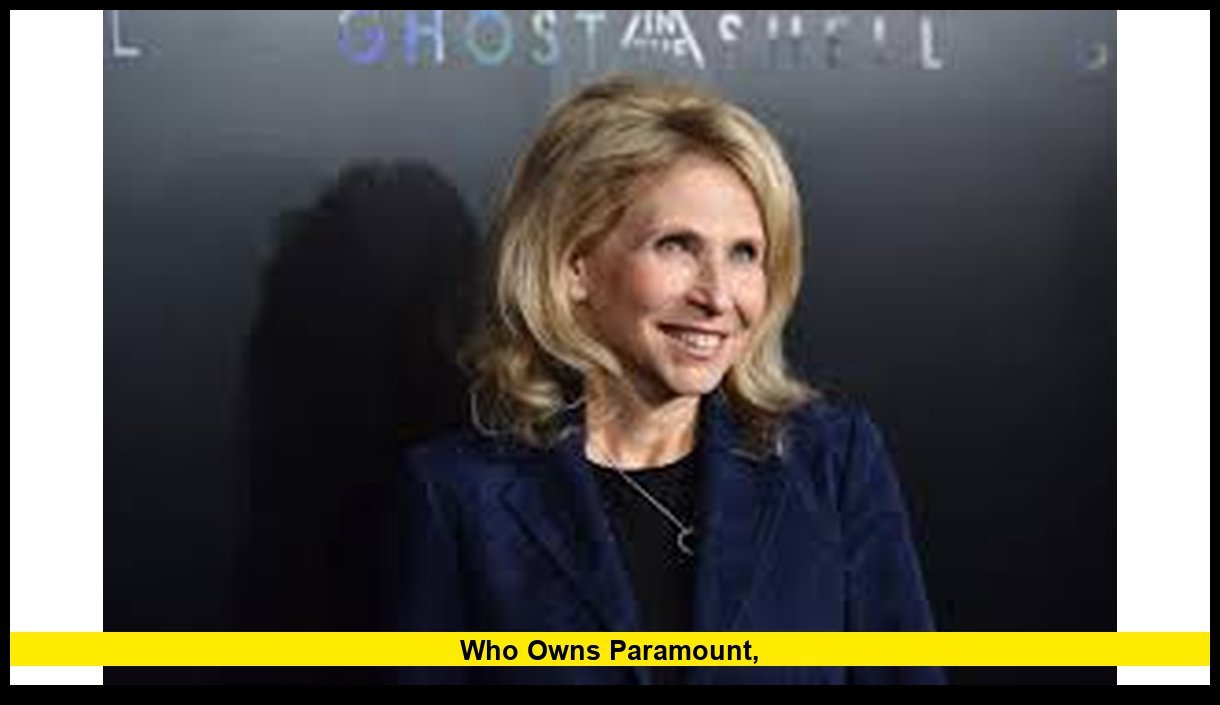
As of 2025-2026, Paramount Skydance Corporation (doing business as Paramount) is publicly traded but is controlled by entities linked to David Ellison and the Ellison family/Skydance investor group, who hold the majority ownership stake.
Who owns Paramount is one of the biggest questions in global media today as major ownership changes, merger deals, and corporate shifts reshape the future of the entertainment giant.
Paramount Global — the parent company behind Paramount Pictures, CBS, Paramount+, MTV, Nickelodeon, and other major brands — is at the center of a historic transformation. The company’s ownership structure has become the focus of investors, media analysts, and audiences because a major sale agreement is now redefining who controls one of Hollywood’s oldest studios.
Paramount’s Current Ownership Structure
To understand who owns Paramount, it is important to look at Paramount Global’s dual-class share structure.
Paramount Global operates with two main share classes:
- Class A voting shares
- Class B non-voting shares
Control is primarily tied to the voting shares.
Key Controlling Owner
The most powerful stakeholder has been National Amusements, Inc. (NAI), the holding company controlled by Shari Redstone.
National Amusements owns:
- A majority of Paramount’s voting shares
- Effective control of board decisions
- Influence over major strategic moves
Shari Redstone, as chair of National Amusements, has been the central decision-maker behind Paramount’s future strategy, including exploring a sale.
The Major Deal Changing Who Owns Paramount
The biggest shift came with the agreement involving Skydance Media.
A deal was reached in 2024 in which Skydance, led by David Ellison, agreed to acquire National Amusements and merge with Paramount Global. This agreement effectively changes the answer to who owns Paramount.
What the Deal Includes
The transaction involves multiple steps:
- Skydance purchasing National Amusements
- Capital injection into Paramount
- Merger of Skydance and Paramount
- Ownership restructuring
This creates a path for David Ellison and Skydance investors to become the new controlling force.
Who Will Control Paramount After the Deal
If the deal fully closes, control shifts away from the Redstone family.
Expected leadership structure:
| Role | Expected Controller |
|---|---|
| Controlling shareholder | Skydance investor group |
| Strategic leadership | David Ellison |
| Governance influence | New combined board |
Shari Redstone is expected to step back from controlling power once National Amusements is sold.
However, regulatory approvals and shareholder processes still play a role in final timing.
Why Paramount Decided to Sell
The ownership change did not happen suddenly. Paramount has faced several pressures over recent years.
Financial Pressure
The company experienced:
- Streaming losses from Paramount+ expansion
- Declining traditional TV revenue
- Advertising volatility
- High content spending
These pressures pushed leadership to explore strategic alternatives.
Market Competition
Paramount competes with:
- Netflix
- Disney
- Warner Bros. Discovery
- Amazon
- Apple
Scale has become essential in streaming, making consolidation more attractive.
Investor Demand
Shareholders pushed for:
- Higher valuation
- Strategic partner
- Balance sheet improvement
- Leadership clarity
The Skydance transaction was positioned as a solution.
Role of Skydance in Paramount’s Future
Skydance is not a traditional buyer. It already partnered with Paramount on major film franchises.
Skydance produced or co-produced major titles including:
- Mission: Impossible films
- Top Gun: Maverick
- Transformers entries
This existing relationship made the merger strategically logical.
Strategic Vision
The combined company aims to:
- Strengthen film franchises
- Expand streaming strategy
- Improve technology infrastructure
- Focus on global growth
David Ellison has emphasized long-term investment rather than short-term cost cutting.
What Happens to Paramount Brands
A key question around who owns Paramount involves the fate of its brands.
Paramount’s portfolio remains highly valuable:
- Paramount Pictures
- CBS
- Paramount+
- Nickelodeon
- MTV
- Showtime
- BET
- Comedy Central
The merger is expected to keep these brands intact while restructuring operations.
Industry analysts expect:
- More franchise-driven film strategy
- Streaming integration
- Possible asset sales in specific divisions
- Content spending adjustments
Timeline of Ownership Changes
Understanding who owns Paramount requires tracking the timeline.
Key Moments
- 2019 — CBS and Viacom reunite to form ViacomCBS
- 2022 — Company rebrands to Paramount Global
- 2023–2024 — Sale discussions intensify
- 2024 — Skydance deal announced
- 2025–2026 — Regulatory review and closing steps continue
This timeline shows how control shifted from legacy family ownership toward investor-driven consolidation.
Market Reaction to the Ownership Shift
The announcement triggered strong reactions.
Investor Response
Markets focused on:
- Deal valuation
- Cash injection
- Governance changes
- Streaming profitability
Paramount’s stock volatility reflected uncertainty about execution.
Industry Response
Media executives see the move as part of a broader consolidation wave.
Hollywood trends include:
- Studio partnerships
- Tech integration
- Private capital involvement
- Franchise prioritization
Paramount’s ownership shift fits this pattern.
Challenges Facing the New Ownership
Even after the deal, major challenges remain.
Streaming Profitability
Paramount+ growth must translate into profit.
Key priorities:
- Subscriber retention
- Pricing strategy
- Content efficiency
- International expansion
Debt and Costs
The combined company must manage:
- Debt levels
- Production budgets
- Linear TV decline
- Technology investment
Cultural Integration
Merging a legacy studio and a modern production company requires:
- Leadership alignment
- Creative strategy clarity
- Talent relationships
- Operational restructuring
Leadership Changes to Watch
Ownership shifts often lead to executive changes.
Industry observers are watching:
- CEO structure
- Board composition
- Studio leadership roles
- Streaming leadership
David Ellison is widely expected to take a central leadership position.

Impact on Employees and Creators
Ownership changes affect internal teams and creative partners.
Possible outcomes:
- Reorganization
- New content priorities
- Franchise focus
- Cost discipline
At the same time, Skydance’s reputation for filmmaker relationships could reassure talent.
What This Means for Viewers
For audiences, the ownership shift may influence:
- Streaming bundles
- Content release strategy
- Franchise expansion
- Platform partnerships
Viewers could see stronger blockbuster pipelines and more integrated streaming experiences.
Global Strategy Under New Ownership
International growth is a major objective.
Focus areas include:
- Europe streaming expansion
- India partnerships
- Latin America growth
- Licensing deals
Scale remains critical to compete globally.
Why the Question “Who Owns Paramount” Matters
Ownership affects:
- Content strategy
- Investment levels
- Platform direction
- Industry competition
The Paramount situation illustrates how legacy studios are adapting to the streaming era.
Control determines whether a company prioritizes rapid growth, profitability, or restructuring.
The Future Outlook
The answer to who owns Paramount is transitioning rather than static.
Short-term outlook:
- Deal completion steps continue
- Governance structure forms
- Strategy adjustments begin
Long-term outlook:
- Franchise-first film strategy
- Streaming profitability push
- Technology modernization
- Potential additional partnerships
The media industry is watching closely because Paramount’s transformation could influence future studio deals.
Conclusion
The question of who owns Paramount reflects a turning point for one of Hollywood’s most historic companies. Control is moving from legacy family ownership toward a new investor-led structure centered around Skydance.
As the transaction progresses, leadership decisions, streaming strategy, and brand positioning will determine whether this ownership shift strengthens Paramount’s competitive position in a rapidly evolving entertainment landscape.
The story is still unfolding, and audience reactions, investor sentiment, and regulatory milestones will continue shaping the outcome — so share your thoughts below or stay tuned for the next major update.
FAQs
1. Who currently controls Paramount Global?
National Amusements, controlled by Shari Redstone, has held controlling voting power.
2. Who is expected to control Paramount after the deal?
The Skydance investor group led by David Ellison is expected to become the controlling force once the transaction closes.
3. Has the Paramount ownership deal fully completed?
The process involves regulatory and shareholder approvals, so final completion depends on closing steps.
Disclaimer:
This article is for informational purposes only. Corporate transactions, ownership structures, and leadership roles may change as approvals and announcements occur. Readers should rely on official company statements for final confirmation.