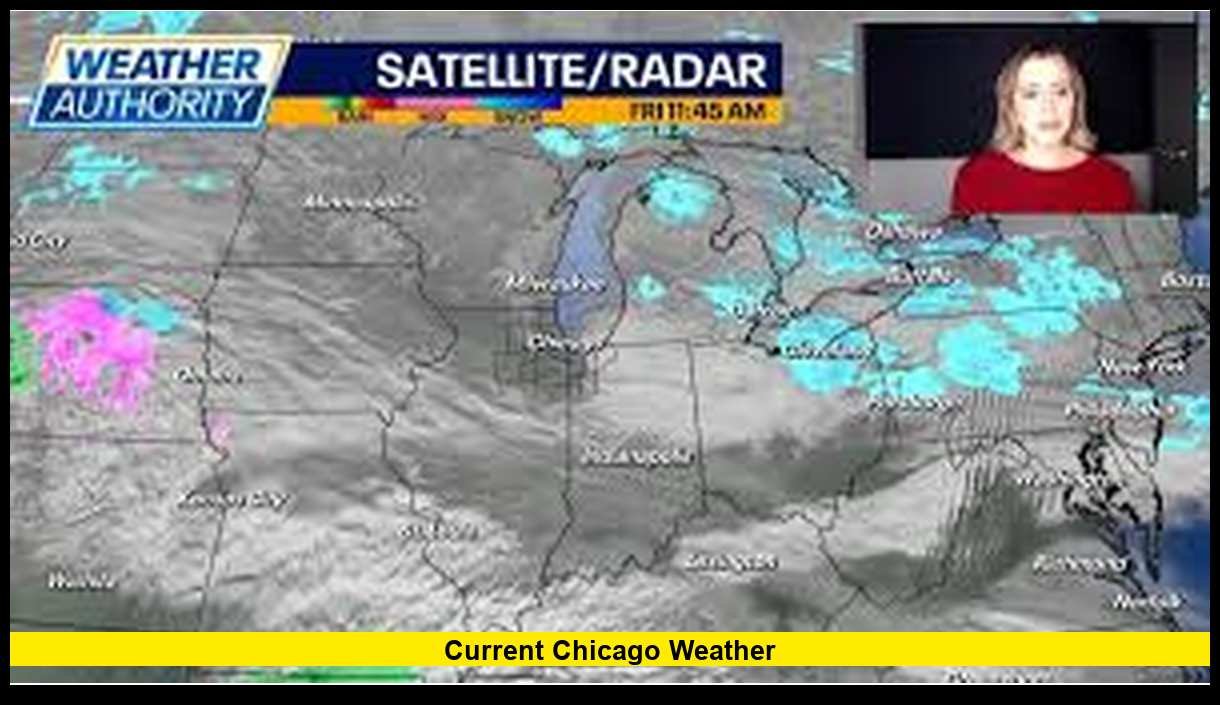
Current Chicago weather on March 6, 2026 shows a cold early-March pattern across the city, with temperatures remaining below the mid-40s, cloudy skies dominating much of the day, and only a small chance of precipitation.
Residents across Chicago are experiencing typical late-winter conditions as the city slowly transitions toward spring. Daytime temperatures are staying near the upper 30s while overnight readings are dropping closer to the 20-degree range. Light winds and mostly cloudy skies continue to define the day’s weather across the metro area.
Early March often delivers fluctuating temperatures in Chicago, and today reflects that seasonal pattern. While the calendar is moving toward spring, winter-like air masses still influence the Midwest, keeping temperatures cool and skies frequently overcast.
Morning Conditions Across Chicago
Chicago residents began Friday with brisk air and overcast skies. Early morning temperatures hovered near the freezing mark across most neighborhoods.
Many locations across the metropolitan area reported readings between 30°F and 33°F shortly after sunrise. While those temperatures are chilly, they are typical for the region during the first week of March.
Light winds allowed the air to feel slightly calmer than during stronger winter cold fronts earlier in the season.
Morning weather conditions included:
- Temperatures near freezing
- Mostly cloudy skies
- Light winds around 5 to 7 mph
- Dry conditions across most areas
Commuters heading to work or school experienced cold but manageable weather conditions during the morning rush hour.
Road surfaces remained mostly dry, reducing the likelihood of travel disruptions.
Daytime Temperatures and Afternoon Outlook
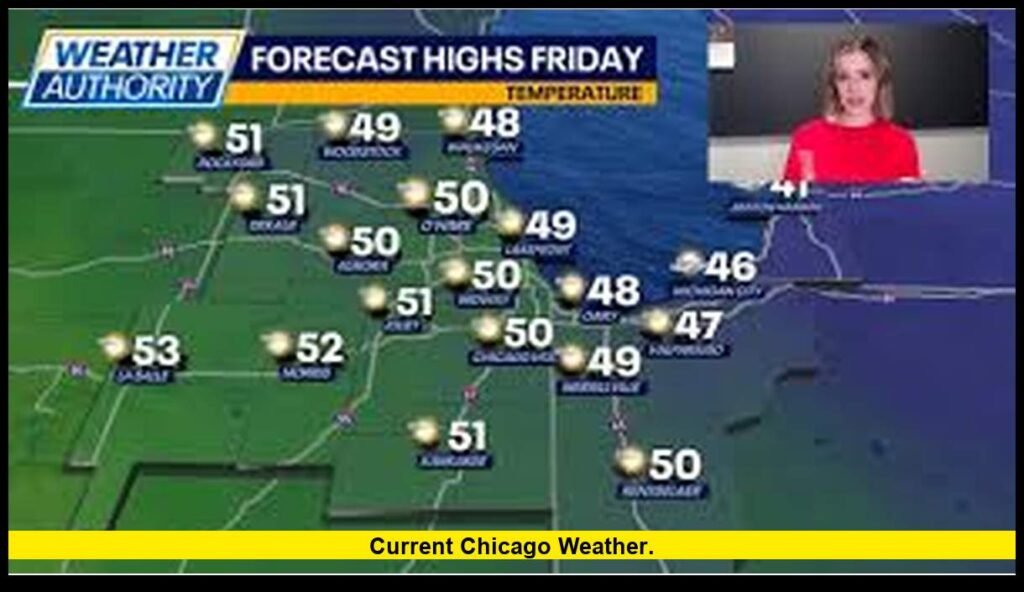
As the day continues, the current Chicago weather pattern shows only modest warming. Temperatures are expected to climb gradually into the upper 30s during the afternoon.
That level of warming is limited because cloud cover is preventing strong sunshine from reaching the surface.
Typical afternoon conditions today include:
- High temperature around 38°F to 39°F
- Thick clouds with occasional breaks
- Light winds
- Low precipitation chances
Although a brief flurry or light rain shower cannot be completely ruled out, widespread precipitation is not expected.
Most areas across Chicago and the surrounding suburbs are likely to stay dry throughout the afternoon.
Evening Weather and Overnight Cold
Temperatures will fall quickly after sunset.
Evening readings are expected to drop back toward the low 30s and eventually fall into the 20s overnight.
Nighttime weather outlook:
- Overnight lows between 19°F and 30°F
- Mostly cloudy skies
- Light winds
- Limited precipitation risk
Freezing temperatures overnight remain common across Chicago in early March. Residents may notice frost forming on vehicles and surfaces by early Saturday morning.
Seasonal Climate Trends in Early March
The weather currently being experienced across Chicago fits well within the city’s historical climate patterns for early March.
Average conditions during the first half of the month typically include:
| Climate Metric | Typical Range |
|---|---|
| Average High Temperature | 41°F to 45°F |
| Average Low Temperature | 27°F to 30°F |
| Typical Precipitation | Light rain or snow |
| Snow Possibility | Occasional late winter snow events |
Because Chicago sits near Lake Michigan and within the Midwest storm track, the city often sees changing conditions during this time of year.
Cold air masses from Canada can still move southward, while warmer air begins pushing north from the Gulf of Mexico. When these air masses interact, temperatures and weather conditions can shift rapidly.
Influence of Lake Michigan on Chicago Weather
Lake Michigan plays a major role in shaping Chicago’s weather throughout the year.
During early spring, the lake remains very cold after months of winter temperatures.
That cold water influences nearby neighborhoods by keeping temperatures lower than inland areas.
Lake Michigan’s impact can lead to several weather effects:
- Cooler temperatures near the shoreline
- Increased cloud development
- Localized snow or rain showers
- Sudden wind shifts
On days like today, the lake helps maintain cooler air across downtown Chicago and lakefront communities.
Residents living closer to the water may experience slightly lower temperatures compared with inland suburbs.
Cloud Patterns Over the City
Cloud cover is a defining feature of today’s conditions.
Large areas of cloud formation are moving across the Midwest, covering much of northern Illinois. These clouds limit sunlight and prevent strong daytime warming.
Cloudy skies are common in Chicago during late winter and early spring.
Meteorological conditions that contribute to cloud development include:
- Moisture in the lower atmosphere
- Weak storm systems passing through the region
- Temperature differences between land and water
While heavy precipitation is not expected today, the cloud cover continues to shape the overall weather pattern.
Wind Conditions Across Chicago
Wind speeds across Chicago today remain relatively light compared with stronger winter storm systems.
Typical wind speeds are ranging between 5 and 10 miles per hour.
These gentle winds are coming primarily from the west and northwest.
Light wind conditions help prevent extreme wind chill values, which often occur during stronger winter storms.
Earlier in the winter season, Chicago frequently experienced wind gusts exceeding 20 miles per hour during Arctic air outbreaks. Those stronger winds dramatically increased the cold feel of the air.
Today’s calmer wind pattern is allowing residents to experience the cold temperatures without severe wind chill.
How Current Conditions Compare With Recent Weather
Chicago experienced several colder periods earlier in the winter season.
January and February often bring the harshest winter conditions to the city, including snowstorms and Arctic air masses.
Compared with those months, the current Chicago weather pattern is somewhat milder.
Key differences include:
- Slightly warmer daytime highs
- Less intense wind chills
- Reduced snowfall activity
While temperatures remain cold, they are gradually trending upward compared with the middle of winter.
Transportation Conditions Across the City
Weather conditions today are not expected to cause major disruptions to transportation systems across Chicago.
Both road and air travel are operating under normal conditions.
Road Travel
Drivers traveling across the city and surrounding suburbs are encountering dry roads and manageable conditions.
However, early morning frost may create occasional slick spots in shaded areas.
Transportation officials encourage drivers to remain cautious during colder morning hours.
Public Transit
Chicago’s public transit systems, including trains and buses, continue operating on regular schedules.
Cold temperatures alone rarely affect transit operations unless combined with heavy snow or ice.
Air Travel
Chicago’s two major airports, O’Hare International Airport and Midway International Airport, are functioning normally.
Low wind speeds and minimal precipitation reduce the chance of flight delays.
Outdoor Life in Chicago During Early March
Despite the cold temperatures, Chicago residents continue enjoying outdoor activities throughout early March.
Many people take advantage of dry weather days to spend time outside.
Popular outdoor locations include:
- Millennium Park
- The Lakefront Trail
- Lincoln Park
- Grant Park
- Navy Pier
Walkers, runners, and cyclists frequently visit these areas even during cooler weather.
Layered clothing remains essential due to the large temperature differences between morning and afternoon conditions.
How Chicago Weather Compares With Other U.S. Cities
Weather conditions across the United States vary widely in early March.
Chicago remains colder than many southern and coastal cities.
For example:
| City | Typical High Temperature Today |
|---|---|
| Chicago | Upper 30s |
| New York | Mid-40s |
| Atlanta | Upper 50s |
| Dallas | 60s |
| Miami | 70s |
This contrast highlights how geography influences temperature patterns across the country.
The Midwest generally warms later in the spring compared with southern states.
The Role of Midwest Weather Systems
Chicago sits within a region that frequently experiences active weather systems.
Storms often travel from the Rocky Mountains into the Midwest before moving toward the East Coast.
These systems can bring:
- Rain
- Snow
- Cloud cover
- Temperature swings
Even weak storm systems can create noticeable changes in cloud patterns and wind direction.
The cloud cover observed today is connected to broader atmospheric patterns affecting the central United States.
Why March Weather Often Feels Unpredictable
March is widely known as a month of changing weather in Chicago.
The city can experience a wide range of conditions during the month.
Possible weather scenarios include:
- Snowstorms
- Rain showers
- Cold snaps
- Mild springlike afternoons
These variations occur because winter air masses and spring air masses compete for control over the Midwest.
This ongoing transition explains why temperatures can change significantly from one week to the next.
Temperature Trends Through the Month
As March progresses, Chicago usually experiences gradual warming.
Average temperatures typically rise through the month.
Typical temperature progression:
- Early March highs: low 40s
- Mid-March highs: mid-40s
- Late March highs: upper 40s to low 50s
Despite that warming trend, occasional cold waves can still appear.
Late-season snowstorms are also possible, though they usually melt quickly due to increasing sunlight and warmer ground temperatures.
Preparing for Chicago’s Spring Transition
Residents often begin preparing for spring during March, even while winter conditions linger.
Seasonal changes across the city include:
- Longer daylight hours
- Slightly warmer afternoons
- Gradual snow melt
- Increased outdoor activity
Parks and recreational areas become busier as temperatures slowly rise.
Many residents also begin preparing homes and gardens for the warmer months ahead.
Weather Safety During Early Spring
Although today’s conditions are relatively calm, Chicago residents still benefit from staying aware of changing weather.
Early spring can produce sudden shifts in temperature and precipitation.
Helpful precautions include:
Dress for changing temperatures
Morning temperatures may be near freezing while afternoons feel slightly warmer.
Watch for overnight frost
Cold nighttime temperatures can create slippery sidewalks and roads.
Monitor weather forecasts
Midwest weather systems can develop quickly and change local conditions.
Chicago’s Path Toward Warmer Weather
Each passing week in March brings Chicago closer to spring.
Sunlight increases noticeably during the month, helping warm the ground and atmosphere.
By late March and early April, the city often begins experiencing:
- More sunshine
- Afternoon temperatures above 50°F
- Fewer freezing nights
The gradual warming trend marks the end of Chicago’s winter season.
Today’s Weather Summary
To summarize the current Chicago weather conditions being experienced across the city today:
- Daytime high near 39°F
- Overnight low between 19°F and 30°F
- Mostly cloudy skies
- Light winds
- Minimal precipitation risk
These conditions represent a typical early-March weather pattern as Chicago slowly moves toward spring.
Chicago residents can continue monitoring local conditions and sharing their experiences as the city transitions from winter into the first signs of spring.