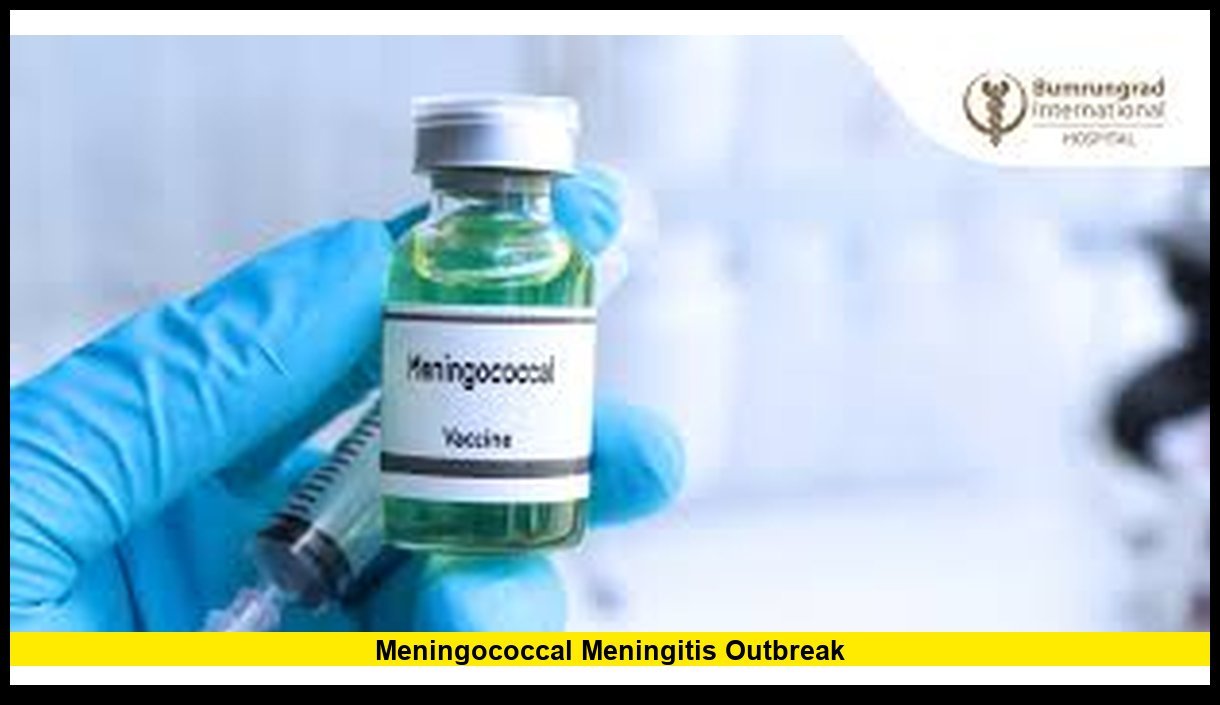
A meningococcal meningitis outbreak is a rapid spread of a serious bacterial infection (Neisseria meningitidis) that inflames the brain and spinal cord membranes and can become life-threatening within hours.
The meningococcal meningitis outbreak remains a critical public health concern in 2026, with health officials monitoring cases in the United States and globally while urging vaccination and early detection to prevent severe illness and fatalities.
What Is a Meningococcal Meningitis Outbreak?
Meningococcal meningitis is a serious bacterial infection caused by Neisseria meningitidis. It affects the protective membranes covering the brain and spinal cord, known as the meninges.
Outbreaks occur when multiple cases appear in a specific geographic area or population within a short time. These outbreaks can spread rapidly, especially in close-contact environments.
Key characteristics of meningococcal outbreaks include:
- Sudden onset of severe illness
- Rapid progression within hours
- High risk of complications or death
- Potential for cluster-based spread
Even with modern medicine, the disease can become life-threatening very quickly.
Latest Verified Updates on the Meningococcal Meningitis Outbreak (2026)
As of March 2026, public health authorities in the United States continue to track sporadic cases and localized clusters of meningococcal disease rather than a widespread national outbreak.
Recent confirmed developments include:
- Isolated clusters linked to college campuses and close-living environments
- Continued monitoring of serogroup B and serogroup C cases
- Increased awareness campaigns targeting young adults and adolescents
- Ongoing vaccination recommendations for high-risk groups
Globally, certain regions—particularly parts of sub-Saharan Africa—continue to experience larger outbreaks. These international trends remain important because travel can influence case patterns in the U.S.
Health officials emphasize that while the U.S. is not facing a nationwide outbreak, vigilance remains essential.
How Meningococcal Meningitis Spreads
The bacteria spread through respiratory and throat secretions. Close or prolonged contact increases the risk of transmission.
Common transmission scenarios include:
- Living in dormitories or shared housing
- Kissing or sharing drinks and utensils
- Exposure to coughs or sneezes
- Long periods in crowded indoor spaces
Unlike some airborne diseases, meningococcal bacteria do not spread easily through casual contact. However, close proximity significantly raises risk.
Symptoms to Watch for
Early symptoms can resemble the flu, which makes early diagnosis challenging. However, meningococcal meningitis progresses much faster and becomes severe quickly.
Early Symptoms
- Fever
- Headache
- Nausea or vomiting
- Fatigue
- Sensitivity to light
Advanced Symptoms
- Stiff neck
- Confusion or difficulty concentrating
- Seizures
- Cold hands and limbs
- Severe muscle pain
Emergency Warning Signs
- Purple skin rash
- Difficulty waking
- Rapid breathing
- Loss of consciousness
Immediate medical attention is critical. The disease can become fatal within hours if untreated.
Who Is Most at Risk?
Certain groups face a higher risk during a meningococcal meningitis outbreak.
High-Risk Populations
- Teenagers and young adults (ages 16–23)
- College students living in dorms
- Military recruits
- Individuals with weakened immune systems
- People without up-to-date vaccinations
In the U.S., college campuses remain a key focus due to past cluster outbreaks.
Vaccination: The Most Effective Protection
Vaccination remains the primary defense against meningococcal meningitis.
Available Vaccines in the U.S.
- MenACWY vaccine (covers serogroups A, C, W, Y)
- MenB vaccine (covers serogroup B)
CDC-Recommended Schedule
- First dose at age 11–12
- Booster at age 16
- Additional MenB vaccine for ages 16–23 based on risk
Vaccination campaigns continue to play a crucial role in preventing outbreaks.
Recent Public Health Actions in the U.S.
Health authorities have taken several steps in response to ongoing meningococcal risks:
Enhanced Surveillance
Officials track cases in real time to identify clusters early.
Targeted Vaccination Drives
Efforts focus on:
- Universities
- Community clusters
- High-risk populations
Rapid Response to Cases
When a case is identified:
- Close contacts receive preventive antibiotics
- Local health departments issue alerts
- Vaccination clinics may be deployed
Public Awareness Campaigns
Messaging emphasizes:
- Recognizing symptoms
- Seeking immediate care
- Staying up to date on vaccines
Global Context and Why It Matters
While the U.S. sees relatively low case numbers, global outbreaks influence risk levels.
Regions with higher outbreak activity include:
- Sub-Saharan Africa’s “meningitis belt”
- Areas with limited vaccine access
- Regions experiencing healthcare disruptions
International travel can introduce cases into the U.S., making global surveillance essential.
Treatment and Survival Rates
Meningococcal meningitis is treatable if caught early.
Treatment Options
- Immediate intravenous antibiotics
- Hospitalization
- Supportive care (oxygen, fluids)
Survival and Complications
- Fatality rate: 10–15% even with treatment
- Up to 20% of survivors experience long-term effects
Possible Long-Term Complications
- Hearing loss
- Brain damage
- Limb amputations
- Learning disabilities
Early intervention dramatically improves outcomes.
How Outbreaks Are Contained
Containment strategies are highly structured and effective when applied quickly.
Key Containment Measures
- Identifying and isolating cases
- Providing antibiotics to close contacts
- Launching vaccination campaigns
- Monitoring exposed individuals
Public cooperation plays a vital role in limiting spread.
Meningococcal Meningitis vs. Other Types of Meningitis
Understanding the difference helps clarify why meningococcal outbreaks receive urgent attention.
| Type | Cause | Severity | Contagious |
|---|---|---|---|
| Meningococcal | Bacteria | Severe | Yes |
| Viral | Viruses | Usually mild | Sometimes |
| Fungal | Fungi | Rare | No |
Meningococcal meningitis stands out due to its rapid progression and outbreak potential.
Signs of a Potential Outbreak
Health authorities look for specific patterns to declare an outbreak.
Indicators Include:
- Multiple cases in a short time frame
- Cases within a specific group or location
- Similar bacterial strain identified
- Increased hospitalization rates
Early detection helps prevent widespread transmission.
What to Do If You’re Exposed
If you believe you’ve been exposed during a meningococcal meningitis outbreak:
Immediate Steps
- Seek medical advice right away
- Take prescribed preventive antibiotics
- Monitor symptoms closely
When to Seek Emergency Care
- Sudden fever
- Severe headache
- Neck stiffness
- Rash
Time is critical. Acting quickly can save lives.
Why Awareness Still Matters in 2026
Even with vaccines and advanced healthcare, meningococcal meningitis remains dangerous due to its speed and severity.
Key reasons awareness remains crucial:
- Symptoms mimic less serious illnesses early on
- Disease progression is extremely rapid
- Outbreaks can occur unexpectedly
- Vaccination gaps still exist
Public education continues to be a major defense against future outbreaks.
Key Takeaways for U.S. Readers
- The U.S. is not currently experiencing a nationwide outbreak, but localized cases continue
- Vaccination remains the most effective prevention method
- Early symptoms can be misleading but escalate quickly
- College students and young adults face higher risk
- Immediate medical care is essential if symptoms appear
Looking Ahead: Monitoring the Meningococcal Threat
Health officials remain on alert for any rise in cases. Ongoing surveillance, vaccination efforts, and rapid response systems aim to prevent small clusters from becoming larger outbreaks.
Advances in vaccine development and public health infrastructure continue to improve preparedness. However, individual awareness and timely action remain just as important.
Stay informed, stay protected, and share this information—your awareness could help prevent the next meningococcal meningitis outbreak.