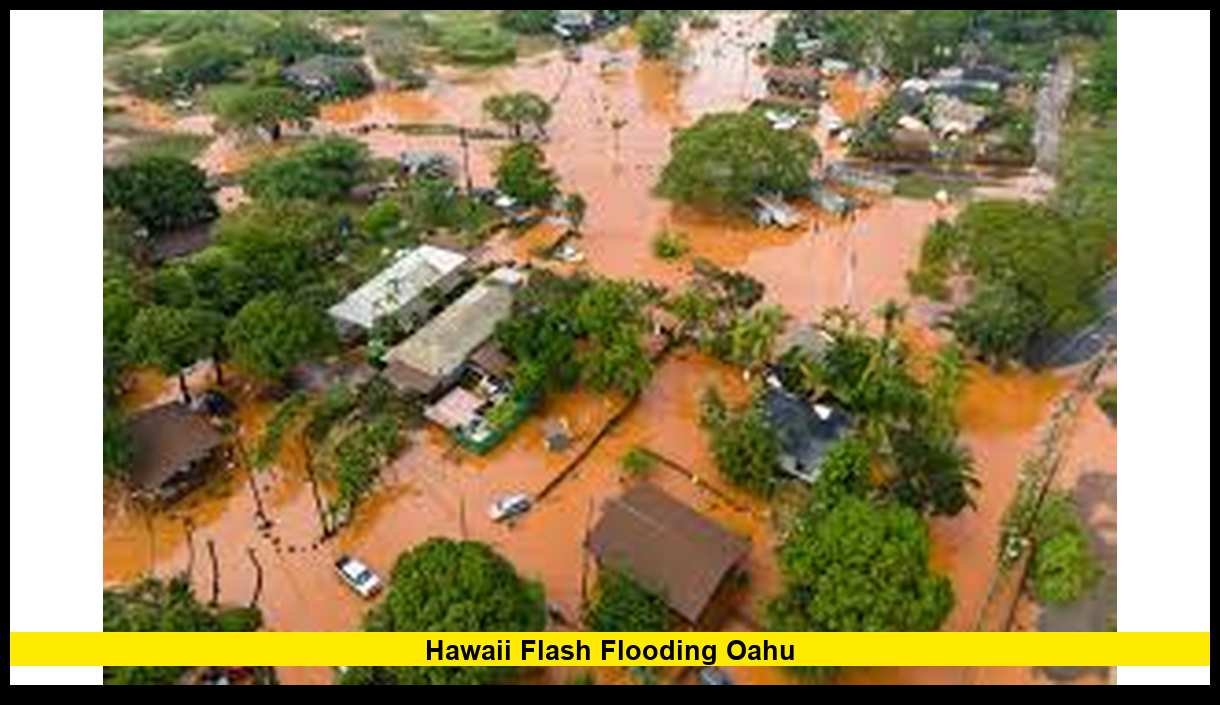
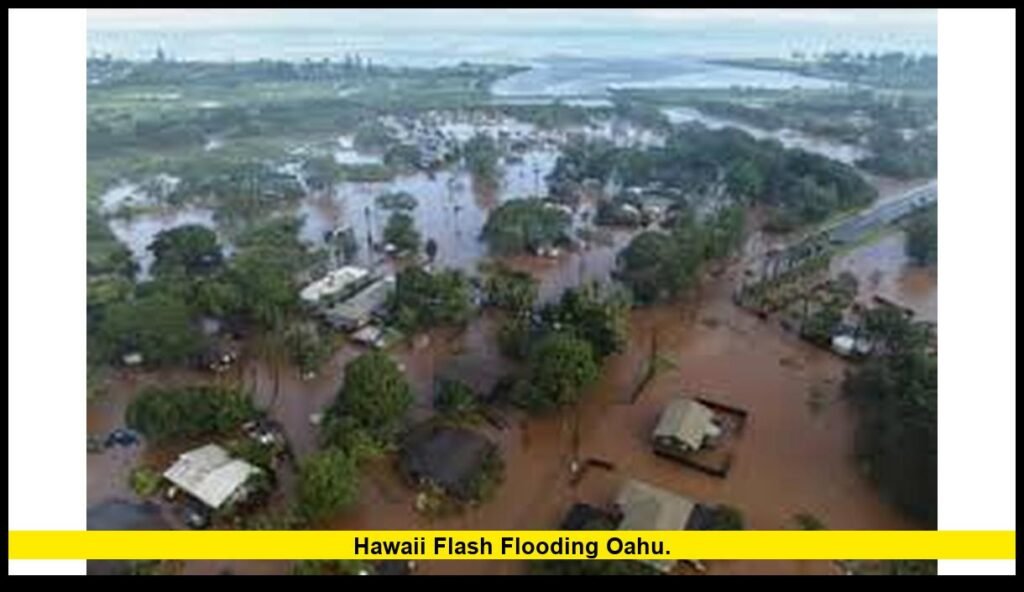
Hawaii flash flooding Oahu has once again become a major concern as heavy rainfall and rapidly rising المياه levels have caused dangerous conditions across parts of the island in recent days. Emergency officials have responded to multiple reports of flooded roadways, stream overflows, and localized evacuations, highlighting the ongoing risks tied to Hawaii’s volatile weather patterns.
Current Situation on Oahu
Oahu has experienced periods of intense rainfall that quickly overwhelmed drainage systems and natural waterways. Flash flood warnings were issued as conditions developed rapidly, leaving little time for residents to react in some areas.
Low-lying neighborhoods and regions near streams faced the greatest risk. Water levels rose quickly, turning streets into temporary rivers and forcing road closures. Emergency responders remained active across the island, assisting stranded drivers and monitoring vulnerable zones.
Key confirmed impacts include:
- Flooded roads in urban and residential areas
- Overflowing streams and drainage canals
- Temporary road closures due to unsafe conditions
- Emergency alerts issued to residents in high-risk zones
Officials urged residents to stay off the roads unless necessary and avoid walking or driving through standing water.
Why Flash Flooding Happens Frequently on Oahu
Flash flooding is not unusual in Hawaii, especially on Oahu. The island’s geography plays a significant role in how quickly flooding develops.
Oahu features steep mountain ranges and narrow valleys. When heavy rain falls, water flows downhill rapidly, collecting in streams and urban areas within minutes. This creates a dangerous situation where flooding can occur even if rain has stopped elsewhere.
Several contributing factors include:
- Intense, short-duration rainfall
- Saturated ground from prior storms
- Urban development limiting water absorption
- Narrow drainage channels that overflow quickly
These conditions combine to create sudden and often unpredictable flooding events.
Areas Most Affected
While flooding can occur anywhere, certain parts of Oahu tend to face higher risk during heavy rain events.
Commonly impacted areas include:
- Windward side communities
- Valleys near mountain ranges
- Low-lying urban zones with limited drainage
- Areas near streams and rivers
Residents in these regions are often placed under heightened alerts during storms.
Emergency Response and Safety Measures
Local authorities acted quickly as conditions worsened. Emergency management teams monitored rainfall totals and stream levels in real time, issuing warnings as thresholds were exceeded.
First responders focused on:
- Rescuing stranded motorists
- Blocking off flooded roads
- Monitoring evacuation needs
- Coordinating public safety alerts
Officials emphasized that even shallow floodwaters can be dangerous. Just a few inches of moving water can knock a person down, while deeper المياه can sweep vehicles away.
Safety Tips Shared With Residents
Authorities continue to stress the importance of preparedness and caution:
- Never drive through flooded roads
- Stay informed through emergency alerts
- Move to higher ground if flooding threatens
- Avoid streams and drainage canals during heavy rain
- Prepare emergency kits in advance
These steps can significantly reduce the risk of injury or loss.
Impact on Transportation and Daily Life
Flash flooding disrupted daily routines across Oahu. Commuters faced delays as roads became impassable, and some public services experienced temporary interruptions.
Traffic congestion increased as closures forced detours. In certain areas, schools and businesses adjusted operations due to safety concerns.
Air travel and public transportation largely continued, but weather conditions created delays and logistical challenges.
Environmental and Infrastructure Concerns
Beyond immediate safety risks, repeated flooding raises long-term concerns for Oahu’s infrastructure and environment.
Heavy المياه flow can:
- Erode roads and foundations
- Damage drainage systems
- Carry debris into urban areas
- Impact water quality in streams and coastal regions
Officials continue assessing damage after each event to improve future response and mitigation strategies.
Climate Patterns and Increasing Flood Risk
Recent weather trends suggest that intense rainfall events are becoming more frequent in Hawaii. Warmer atmospheric conditions can hold more moisture, leading to heavier downpours in shorter periods.
This pattern increases the likelihood of flash flooding, particularly in areas like Oahu where terrain accelerates runoff.
Emergency planners are adapting strategies to account for:
- More frequent severe rainfall events
- Faster onset of flooding
- Increased strain on infrastructure
Community awareness has become a key part of managing these evolving risks.
Community Preparedness and Awareness
Residents across Oahu have become more vigilant due to repeated flooding events. Public awareness campaigns encourage preparedness and quick action during emergencies.
Preparedness measures include:
- Monitoring weather alerts daily
- Knowing evacuation routes
- Keeping emergency supplies ready
- Understanding local flood-prone zones
Community cooperation plays a major role in reducing harm during these events.
What Happens Next
Weather conditions in Hawaii can change rapidly. Even after heavy rainfall subsides, the risk of flooding can continue due to runoff from higher elevations.
Authorities continue to monitor:
- Stream and नदी levels
- Soil saturation
- Incoming weather systems
Residents are encouraged to remain cautious even after warnings are lifted.
Long-Term Solutions Being Considered
Efforts are ongoing to reduce the impact of flash flooding on Oahu. Infrastructure improvements and environmental planning are central to these discussions.
Potential solutions include:
- Upgrading drainage systems
- Restoring natural floodplains
- Improving early warning systems
- Strengthening building and zoning regulations
While no solution can eliminate flooding entirely, these measures aim to reduce damage and improve safety.
Conclusion
The latest hawaii flash flooding oahu event highlights the island’s vulnerability to sudden and intense weather conditions. With rapid rainfall leading to dangerous flooding, residents and officials continue working together to stay prepared and respond effectively.
Stay alert, stay prepared, and share your experiences or updates as conditions evolve across Oahu.