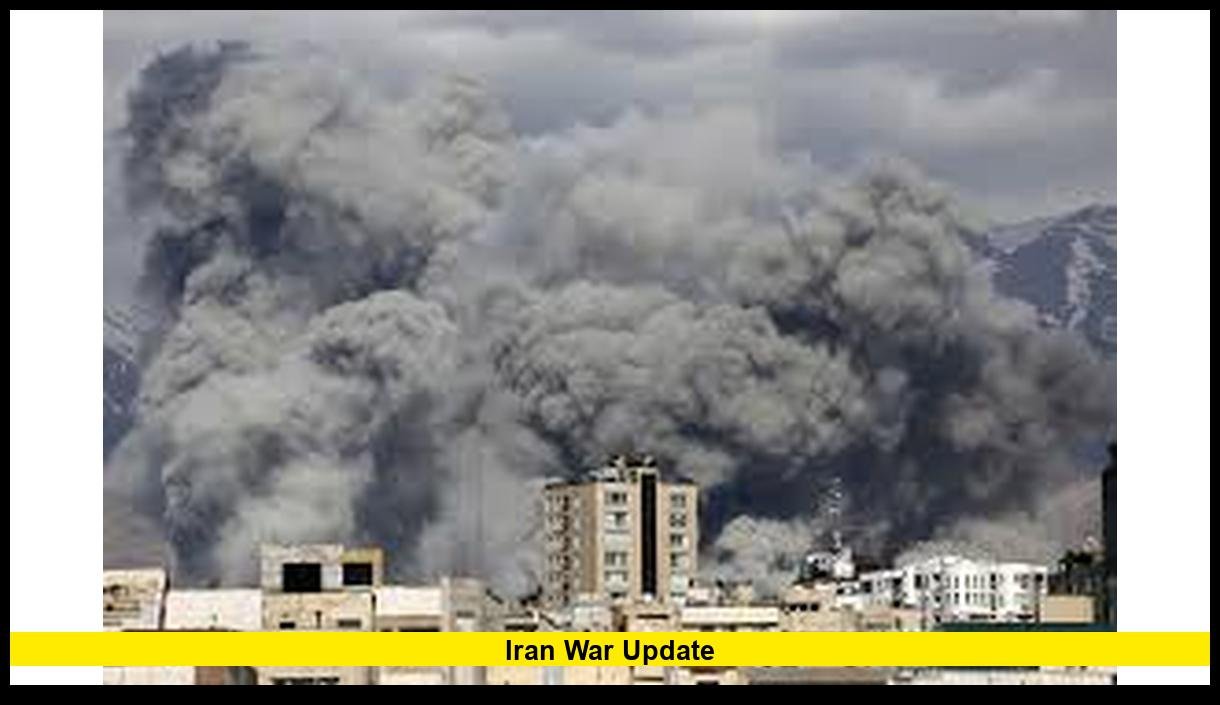
The iran war update as of March 25, 2026, confirms that the conflict between Iran, the United States, and Israel remains active, with ongoing strikes, regional escalation, and growing global economic consequences.
Overview: Where the Conflict Stands Right Now
The war began on February 28, 2026, when coordinated U.S. and Israeli airstrikes targeted Iranian military infrastructure. Since then, the conflict has expanded into a multi-front regional war.
Recent verified developments show:
- Continued airstrikes on Iranian military and industrial sites
- Ongoing Iranian missile and drone attacks across the Middle East
- Rising economic disruption worldwide, especially in energy markets
- No confirmed ceasefire or peace agreement
Markets and governments remain cautious as tensions continue without clear de-escalation.
How the War Started
The current conflict escalated rapidly after large-scale air operations targeted Iran’s:
- Missile systems
- Air defenses
- Strategic military infrastructure
Iran responded immediately with retaliatory strikes, launching missiles and drones at:
- Israeli cities
- U.S. bases in the Gulf
- Regional allies including Saudi Arabia, UAE, and Iraq
Since the start of the war, Iran has launched:
- Over 500 ballistic missiles
- Nearly 2,000 drones
This scale of retaliation turned the conflict into one of the most significant military confrontations in the region in decades.
Major Military Developments in March 2026
U.S. and Israeli Airstrikes Intensify
Throughout March, U.S. and Israeli forces continued coordinated strikes targeting Iranian military capabilities.
Key confirmed events include:
- March 13: Large U.S. bombing raid on Kharg Island targeting over 90 military sites
- March 18: Airstrikes hit Iran’s South Pars gas field, impacting energy production
- Multiple waves of strikes on missile production and storage facilities
These operations aim to weaken Iran’s ability to sustain long-term warfare.
Iran’s Expanding Retaliation
Iran has widened its response beyond Israel and U.S. forces.
Recent activity includes:
- Missile and drone attacks on Gulf nations
- Strikes on U.S. military positions in Iraq
- Continued attacks on Israel
In the United Arab Emirates alone:
- Hundreds of ballistic missiles and over 1,800 drones have been launched
- Civilian and military casualties have been reported
Iran has also targeted infrastructure, including energy facilities, increasing the conflict’s economic impact.
Multi-Front Regional Conflict
The war is no longer limited to Iran and Israel.
It now includes:
- Iraq (militia and U.S. base attacks)
- Gulf states (UAE, Saudi Arabia, Qatar, Kuwait)
- Maritime tensions in the Strait of Hormuz
The Kurdistan region of Iraq has faced hundreds of missile and drone attacks in early March alone.
This expansion has turned the conflict into a broader regional war.
Strait of Hormuz and Energy Crisis
One of the most critical aspects of this iran war update is the disruption of global energy supply.
Key developments:
- Threats and disruptions in the Strait of Hormuz
- Attacks on oil and gas infrastructure
- Reduced Iranian gas output after major strikes
The South Pars attack alone affected:
- About 12% of Iran’s gas production
- Regional energy supply chains
Global consequences include:
- Rising oil prices
- Increased shipping risks
- Inflation concerns in multiple economies
Global Economic Impact
The war is already reshaping the global economy.
Europe
- Business confidence in Germany has dropped
- Growth forecasts have been downgraded
- Energy costs are rising significantly
United Kingdom
- Inflation pressure is increasing
- Manufacturing costs are rising
- Markets remain volatile
Global Markets
- Oil prices remain elevated
- Shipping routes are unstable
- Trade disruptions are expanding
The economic ripple effects continue to grow as the war persists.
Humanitarian Situation
The humanitarian toll is rising across multiple regions.
Reported impacts include:
- Civilian casualties in Iran and Israel
- Infrastructure damage, including energy and industrial sites
- Displacement and disruption of daily life
Inside Iran, there are also reports of:
- Arrests and crackdowns on dissent
- Increased internal security measures
These developments indicate growing internal pressure alongside external conflict.
Military Trends and Strategy
Recent patterns suggest shifts in how the war is being fought.
Decline in Missile Launch Rate
Analysts note that Iran’s missile launch rate has decreased in March.
Possible reasons include:
- Resource depletion
- Strategic conservation for a prolonged conflict
Rise of Drone Warfare
Drones have become a central weapon in this conflict.
Advantages include:
- Lower cost
- High volume deployment
- Ability to overwhelm air defenses
Drone attacks now make up a large share of Iran’s offensive operations.
Targeting Infrastructure
Both sides are increasingly targeting:
- Energy facilities
- Military production sites
- Strategic logistics hubs
This shift signals a move toward long-term economic and strategic damage rather than short-term battlefield gains.
GGeopolitical Implications
The war is rapidly reshaping global alliances and power dynamics, with new tensions emerging even among traditional allies. As of late March 2026, the situation has grown more complex, with diplomacy, military escalation, and economic pressure unfolding at the same time.
Key trends include:
- Increased U.S. military involvement in the Middle East, including preparations for additional troop deployments and sustained regional presence
- Growing pressure on international institutions, with urgent calls for mediation and coordinated diplomatic responses
- Strategic uncertainty among major powers as risks to energy security, global trade routes, and regional stability continue to rise
At the same time, subtle geopolitical fractures are becoming visible. The United States and Israel remain aligned militarily, but differences are emerging over long-term objectives and the scope of the conflict.
Diplomatic efforts are intensifying behind the scenes. A multi-point proposal aimed at ending the war has been delivered to Iran through intermediaries, with several countries working to facilitate negotiations and reduce tensions.
However, Iran has not accepted key terms and continues to review proposals while maintaining its military posture. This reflects a cautious approach that leaves room for diplomacy without signaling immediate compromise.
Despite ongoing international efforts, no confirmed ceasefire agreement has been reached. Military operations continue across multiple fronts, and the situation remains fluid as both escalation and negotiation efforts move forward simultaneously.
What Happens Next?
As of now, there is no clear end to the conflict.
Possible near-term scenarios include:
- Continued escalation across multiple regions
- Expanded attacks on energy infrastructure
- Increased international diplomatic pressure
However, the absence of direct negotiations suggests the war could continue in the coming weeks or months.
Key Facts at a Glance
| Category | Latest Confirmed Data |
|---|---|
| War Start Date | February 28, 2026 |
| Missiles Launched by Iran | 500+ |
| Drones Launched | 2,000+ |
| Countries Affected | 10+ |
| Major Economic Impact | Global energy markets |
Conclusion
The current iran war update shows a conflict that has rapidly expanded into a regional crisis with global consequences. Military operations continue across multiple fronts, energy markets remain unstable, and diplomatic solutions have yet to materialize.
Stay tuned for further updates and share your thoughts as this fast-moving global conflict continues to unfold.