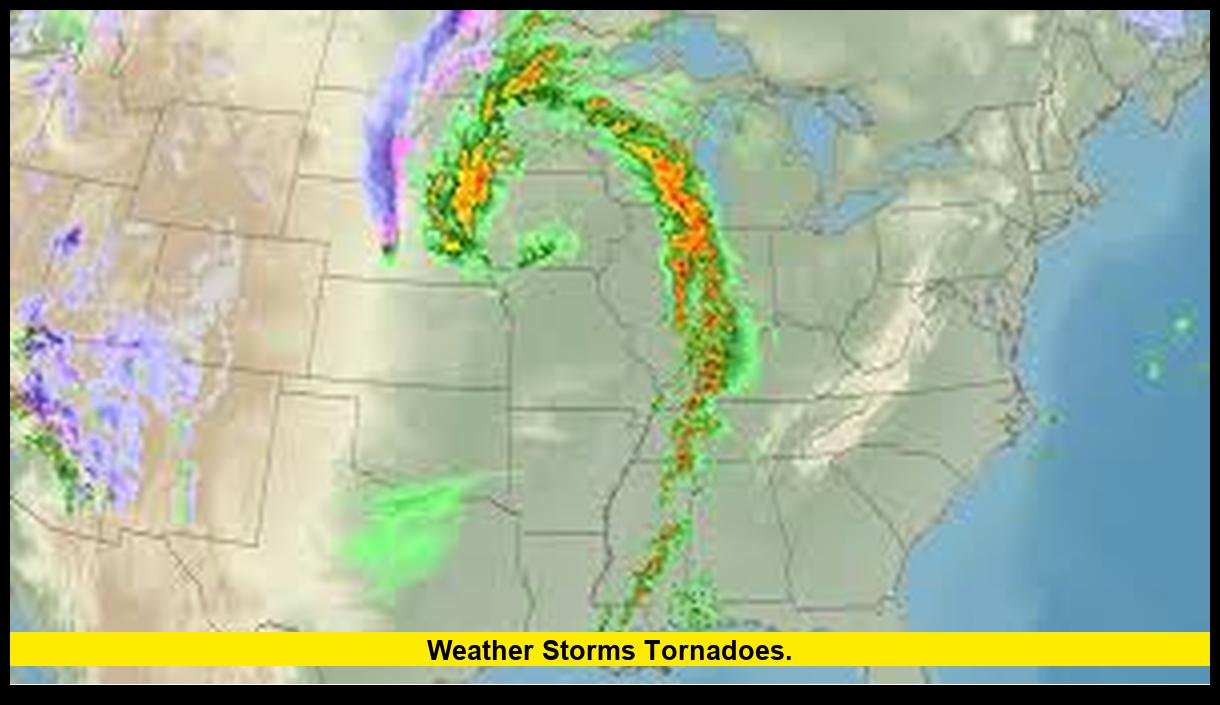
Weather storms tornadoes are dominating headlines today as millions of Americans face an active and dangerous severe weather pattern stretching across the Midwest, Ohio Valley, and beyond. As of March 26, 2026, a new round of powerful storms is developing, with forecasters warning of damaging winds up to 75 mph, large hail, and the potential for tornadoes in multiple states.
This latest threat comes after a month already marked by repeated tornado outbreaks, deadly storms, and extreme weather swings across the United States. March 2026 has quickly emerged as one of the most volatile early-season periods in recent years, with severe weather arriving earlier and hitting harder than expected.
Severe Storm System Targets Midwest and Ohio Valley
A large and dynamic storm system is pushing east across the country, placing nearly 50 million people at risk of severe weather.
Key areas under threat today include:
- Illinois
- Indiana
- Ohio
- Parts of Pennsylvania and surrounding regions
Meteorologists have issued an enhanced Level 3 risk, signaling a strong likelihood of severe thunderstorms capable of producing:
- Tornadoes
- Damaging straight-line winds
- Large hail, potentially egg-sized or larger
Storm development is expected to intensify through the afternoon and evening hours, with supercell thunderstorms forming before merging into larger storm lines.
Some of the most concerning zones include:
- Indianapolis
- Peoria
- Fort Wayne
- Columbus
These areas sit directly in the path of unstable atmospheric conditions fueled by a clash between warm, moist air and an advancing cold front.
Tornado Threat Remains a Key Concern
While not every storm will produce a tornado, the risk remains significant enough to warrant attention. Meteorologists note that even a limited tornado setup can escalate quickly if atmospheric conditions align.
Factors contributing to tornado potential include:
- Strong wind shear
- High atmospheric instability
- Rapid storm rotation in isolated supercells
Recent forecasts indicate:
- Tornadoes are possible, especially in isolated storm cells
- Strong winds and hail may be the dominant threats
- Rapid storm intensification could increase tornado chances
March 2026 Tornado Outbreaks Already Causing Damage
The current weather pattern builds on a series of destructive outbreaks earlier this month.
Major Tornado Events in March 2026
- March 5–7: Around 30 tornadoes confirmed across the Plains and Midwest
- March 10–12: Nearly 100 tornadoes reported in a widespread outbreak
- Early March extended outbreak: More than 30 tornadoes, including an EF5 in Indiana
- Fatalities: At least 12 deaths across multiple states
- Injuries: More than 140 reported
These storms impacted states such as:
- Oklahoma
- Texas
- Arkansas
- Illinois
- Indiana
- Michigan
One of the most significant events included a powerful EF5 tornado in Indiana, highlighting how intense early-season storms have become.
Why Weather Storms Tornadoes Are Intensifying This Season
March typically marks the beginning of the U.S. tornado season, but 2026 is showing unusually high activity.
Several factors are driving this surge:
1. Clashing Air Masses
Warm, humid air from the Gulf of Mexico is colliding with colder air from the north, creating the instability needed for severe storms.
2. Strong Jet Stream Patterns
A powerful dip in the jet stream is helping storms organize and intensify, allowing systems to move quickly across multiple states.
3. Early Spring Transition
As winter fades, storm systems become more frequent and more intense, especially in the central United States.
4. Increasing Weather Extremes
The country has experienced:
- Record heat in parts of the West
- Late-season snow in the Midwest
- Severe storms across central regions
This combination creates a volatile environment where multiple extreme weather events can occur at the same time.
Large Hail and Damaging Winds Add to the Danger
Tornadoes are not the only threat. Many storms are expected to produce destructive hail and high winds.
Expected Impacts
- Hail up to baseball size in some areas
- Wind gusts reaching 75 mph
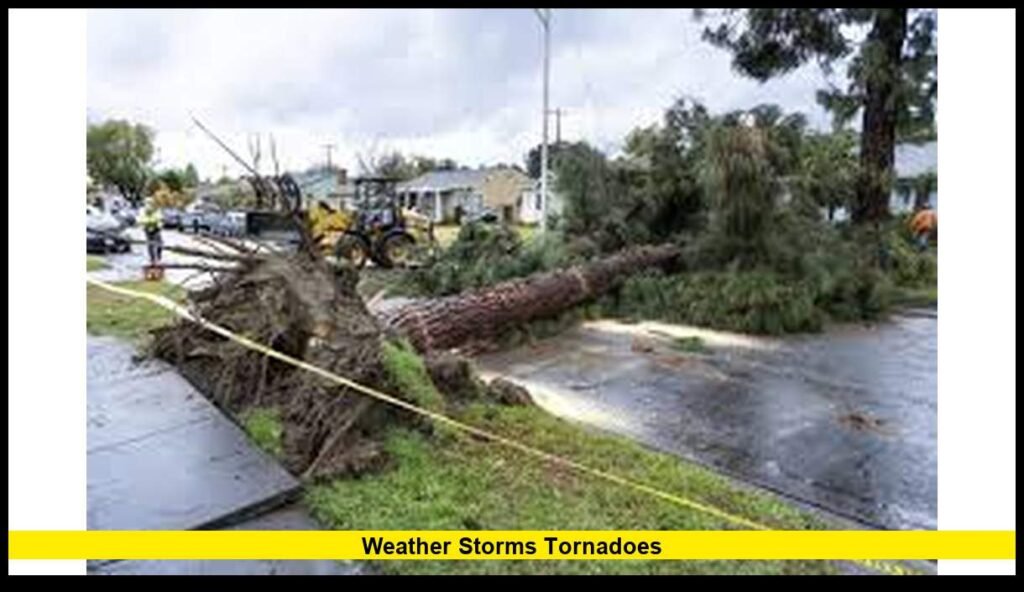
- Power outages and downed trees
- Damage to homes, roofs, and vehicles
Hailstorms can cause widespread destruction, especially when supercells remain strong for extended periods.
Flash Flooding and Travel Disruptions Likely
Heavy rainfall is also a major concern as storms move through.
Forecast impacts include:
- 1 to 2 inches of rain in short periods
- Localized flash flooding
- Urban drainage issues
- Delays in flights and road travel
Cities across the Midwest and Mid-Atlantic may experience disruptions, particularly during peak travel hours.
Repeated Storm Patterns Raise Concerns
One of the most notable trends this month is the frequency of severe weather outbreaks.
Meteorologists have tracked:
- Multiple storm systems within a short time frame
- Repeated impacts in the same regions
- Increasing storm intensity over time
March has already seen multiple severe weather outbreaks affecting many of the same areas repeatedly.
This pattern increases risks because:
- Ground conditions are already saturated
- Infrastructure may be weakened
- Emergency services are under pressure
How This Compares to Typical Tornado Season
March is usually the beginning of increased tornado activity, with peak season arriving between April and June.
Average trends:
- March: Around 80 tornadoes nationwide
- Peak season: Spring and early summer
However, 2026 is already exceeding expectations due to:
- Earlier outbreaks
- Stronger storm systems
- Wider geographic impact
Tornado activity is also spreading farther north earlier than usual, affecting states like Michigan and Indiana more frequently.
Communities Brace for Continued Severe Weather
Emergency officials across affected states are urging residents to stay alert and prepared.
Safety Recommendations
- Monitor weather alerts regularly
- Have a tornado shelter plan in place
- Avoid unnecessary travel during storms
- Secure outdoor objects that could become dangerous
Residents are encouraged to keep devices charged and notifications turned on.
What to Expect Next
The current storm system is expected to move eastward into the Mid-Atlantic, bringing continued rain and possible severe weather before cooler air follows.
After the system passes:
- Temperatures may drop into the 30s and 40s
- Conditions may briefly stabilize
However, the overall pattern remains active, and additional severe weather could develop again in early April.
A Month Defined by Extreme Weather
March 2026 has delivered a powerful mix of:
- Tornado outbreaks
- Severe thunderstorms
- Rapid temperature swings
- Flooding and hail events
This level of activity highlights how unpredictable the transition from winter to spring can be across the United States.
Key Takeaways
- Millions are under threat from severe storms today
- Tornadoes, hail, and damaging winds are all possible
- March 2026 has already seen multiple deadly tornado outbreaks
- Weather patterns remain highly active heading into April
Stay alert, stay prepared, and keep checking for updates as weather storms tornadoes continue to evolve across the United States.