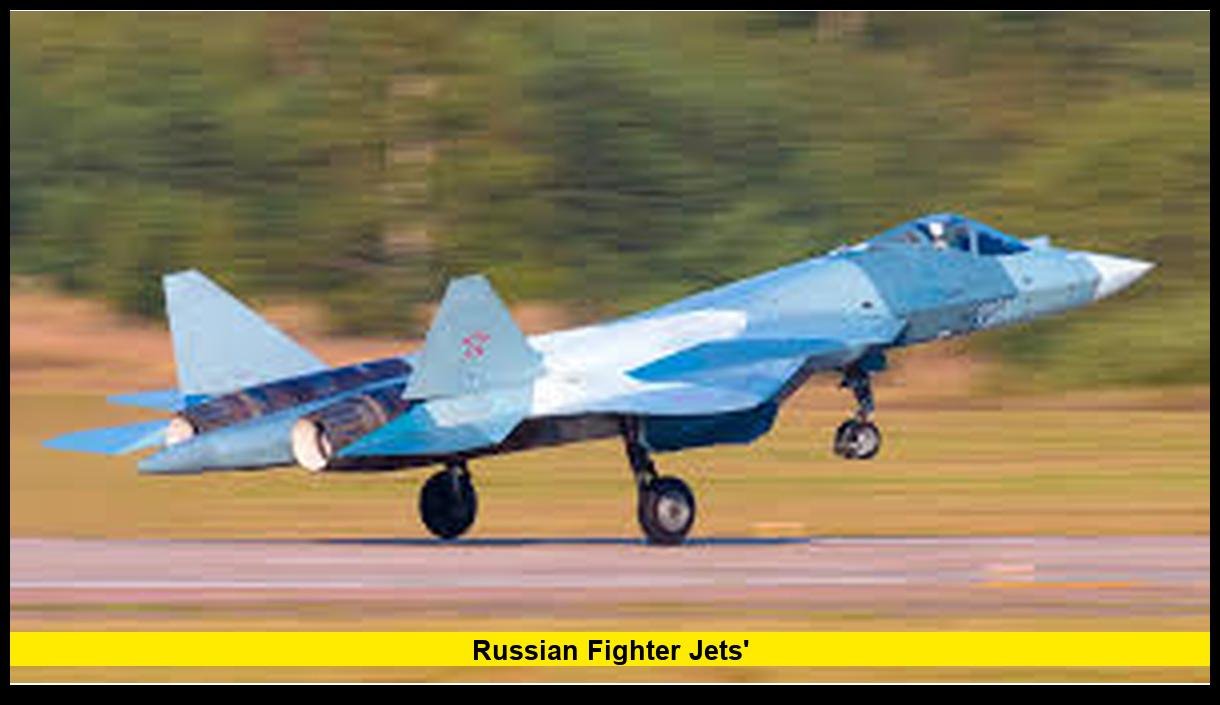
Russian fighter jets are military aircraft designed for air combat, interception, and strike missions, forming a core part of Russia’s air power.
russian fighter jets remain at the center of global security headlines as new deployments, aerial incidents, and modernization updates reshape military dynamics in 2026.
Military analysts and defense officials report steady activity involving Russian combat aircraft across Eastern Europe, the Arctic, the Black Sea, and parts of Asia. These developments have intensified monitoring by NATO and regional air forces while fueling ongoing debate about air superiority, deterrence strategy, and next-generation aircraft capabilities.
Recent confirmed updates show Russia continuing patrol missions near NATO airspace, expanding drone-fighter coordination exercises, and advancing upgrades to several frontline jet platforms. These moves highlight a broader shift toward sustained air presence rather than short-term demonstrations.
Latest developments involving deployments and patrol activity
In early 2026, multiple air forces reported intercept missions involving Russian aircraft operating near international airspace boundaries. Such encounters are not unusual, but the frequency has drawn attention.
Defense officials confirmed:
- Increased long-range patrols over the Arctic region
- Regular activity near the Baltic and Black Sea corridors
- Expanded joint drills integrating fighters with electronic warfare aircraft
- More visible bomber escort formations using modern fighter jets
NATO interception data suggests that several patrols involved mixed formations, meaning older aircraft flying alongside newer multi-role fighters. This approach allows operational testing without fully relying on a single platform.
Military observers note that intercept events generally follow established aviation protocols. However, the higher tempo reflects a sustained operational strategy rather than isolated exercises.
Modernization programs shaping Russia’s fighter fleet
Russia continues investing in upgrades instead of relying solely on brand-new aircraft production. Modernization programs focus on radar, weapons integration, avionics, and engine performance.
Key upgrade priorities include:
- Advanced radar expansion
- Hypersonic missile compatibility testing
- Improved electronic warfare suites
- Enhanced data-link connectivity for network-centric operations
These upgrades allow legacy aircraft to remain operationally relevant while next-generation projects progress at a slower pace.
Industry constraints and procurement timelines have influenced production speed. As a result, modernization remains central to fleet strategy.
Major aircraft platforms currently in focus
Several fighter platforms dominate discussion due to their operational roles and deployment frequency.
Su-35 multi-role fighter
The Su-35 continues serving as a primary air superiority aircraft. It features high maneuverability, long range, and upgraded sensors.
Recent activity shows Su-35 jets frequently escorting bombers during patrol missions and participating in multinational exercises.
Su-30 variants
Su-30 aircraft remain widely used because of versatility. Different variants operate across multiple regions and perform air defense, strike, and training roles.
Their two-seat configuration supports complex mission coordination, making them effective for extended operations.
Su-57 next-generation fighter
The Su-57 remains a major focus of modernization discussions. Production numbers are still relatively limited compared with older aircraft, but the platform represents a push toward stealth-oriented capabilities.
Recent updates indicate continued testing of new weapons, sensor improvements, and expanded operational trials.

Deployment regions drawing the most attention
Russian fighter jet activity spans several strategic regions, each with different operational goals.
Arctic
The Arctic has become a priority due to shipping routes, energy resources, and strategic positioning. Fighter patrols support air defense coverage for remote bases and infrastructure.
Eastern Europe
Eastern Europe remains the most monitored region. Fighter aircraft often conduct patrols close to NATO airspace, prompting routine interceptions.
Black Sea
The Black Sea region continues to see frequent aerial activity tied to ongoing security tensions. Fighters play roles in reconnaissance escort and air defense missions.
Asia-Pacific
Russia has increased air exercises in the Far East, including joint drills with regional partners. These exercises emphasize interoperability and long-range operations.
Intercepts and aerial encounters explained
Intercept missions occur when aircraft approach monitored airspace without entering national territory. Fighter jets are launched to identify, shadow, and ensure safe navigation.
These encounters serve several purposes:
- Demonstrate readiness
- Gather intelligence
- Signal presence
- Test response times
Intercepts are a standard feature of military aviation, though frequency can signal strategic messaging.
In 2026, monitoring organizations reported consistent intercept patterns rather than sudden spikes, suggesting sustained operational planning.
Role of technology in evolving air strategy
Technology is reshaping how fighter jets operate. Russia has focused on integrating fighters into broader combat networks rather than relying only on standalone aircraft performance.
Key technology trends include:
- Drone-fighter coordination
- Electronic warfare dominance
- Long-range precision weapons
- Sensor fusion for situational awareness
These changes reflect a shift toward layered air operations, where fighters act as nodes within a larger system.
Future air combat will likely depend heavily on connectivity.
Production challenges and industrial factors
Aircraft production remains influenced by supply chain pressures, manufacturing capacity, and export priorities.
Industry reporting highlights:
- Slower production rates for advanced aircraft
- Greater emphasis on upgrades
- Export contracts affecting domestic delivery schedules
- Focus on engine development and replacement parts
Despite constraints, new aircraft continue to enter service in smaller batches while refurbishment programs sustain readiness.
Export market and international partnerships
Russian fighter jets remain present in global defense markets. Several countries operate Su-30 and Su-35 aircraft, making export support a major factor in fleet development.
Recent updates suggest:
- Ongoing maintenance and upgrade agreements
- Training programs for partner air forces
- Technology cooperation discussions
- Competitive pressure from other global manufacturers
Export activity influences production planning and modernization priorities.
Tactical changes observed in exercises
Military exercises provide insight into evolving tactics. Observers have identified several trends:
- Mixed aircraft formations
- Greater use of stand-off weapons
- Electronic warfare integration
- Simulated long-range strike missions
Exercises emphasize survivability in contested airspace environments.
Impact on global air power balance
The activity and modernization of Russian fighters affect broader military planning worldwide. Many countries continue adjusting air defense strategies in response.
Impacts include:
- Increased air policing missions
- Investment in stealth and counter-stealth technologies
- Expansion of missile defense coverage
- Greater focus on early warning systems
Air power competition now centers on technology integration, sensor advantage, and operational tempo.
Satellite imagery and open-source intelligence role
Open-source intelligence has become a major source of analysis. Satellite imagery, flight patterns, and exercise footage provide insight into deployments.
Analysts use these tools to identify:
- Aircraft movement between bases
- Air infrastructure expansion
- Exercise scale and aircraft types
- Maintenance activity
This transparency has changed how military aviation developments are monitored.
Drone integration and future air combat concepts
A key development involves fighter-drone collaboration. Testing continues on concepts where drones support fighters by scouting, jamming, or carrying weapons.
Emerging concepts include:
- Loyal wingman drones
- Electronic warfare support drones
- Decoy aircraft
- Extended sensor coverage
This approach aims to reduce pilot risk while expanding mission flexibility.
Training and pilot readiness
Pilot training remains critical as aircraft technology evolves. Reports indicate increased simulator use combined with complex live exercises.
Training priorities include:
- Multi-aircraft coordination
- Electronic warfare environments
- Long-range mission planning
- Night operations
Advanced simulation allows testing new tactics before deployment.
Weapons integration updates
Weapons development continues alongside aircraft upgrades. Focus areas include long-range air-to-air missiles and precision strike capabilities.
Recent updates point to:
- Expanded stand-off strike testing
- Hypersonic compatibility trials
- Improved targeting systems
- Network-linked weapon guidance
These changes aim to extend engagement distance and enhance survivability.
Infrastructure expansion and air base activity
Air base upgrades support sustained fighter operations. Infrastructure work includes runway improvements, hardened shelters, and logistics expansion.
Strategic priorities involve:
- Arctic airfields
- Forward operating bases
- Maintenance facilities
- Fuel storage capacity
Infrastructure investment signals long-term planning.
Strategic messaging and deterrence
Fighter jet activity also carries political meaning. Patrols, exercises, and deployments often serve signaling purposes.
Analysts interpret these actions as:
- Demonstrating readiness
- Reinforcing territorial posture
- Responding to rival exercises
- Supporting diplomatic positioning
Air operations therefore function as both capability and communication.
Comparison of key fighter platforms
| Aircraft | Primary Role | Notable Strength |
|---|---|---|
| Su-35 | Air superiority | Maneuverability and radar |
| Su-30 | Multi-role | Versatility and range |
| Su-57 | Next-generation | Stealth features and sensor fusion |
This mix allows layered capability across mission types.
Outlook for 2026 and beyond
Current trends suggest continued emphasis on modernization, sustained patrol activity, and technology integration rather than rapid fleet replacement.
Expected focus areas include:
- Drone teaming expansion
- Electronic warfare investment
- Incremental production of next-generation fighters
- Greater Arctic presence
- Continued intercept activity near monitored airspace
While production constraints remain a factor, operational activity continues at a steady pace.
Conclusion
Ongoing deployments, modernization efforts, and evolving tactics ensure that this area of military aviation remains one of the most closely monitored defense topics in 2026. Activity across multiple regions, combined with technological experimentation and infrastructure investment, reflects a long-term strategy focused on sustained air presence.
As aerial operations continue and new capabilities emerge, the global conversation around air power competition will likely intensify. Share your perspective in the comments or check back for future updates as this story continues to develop.
FAQ
1. Why are Russian fighter jets intercepted frequently?
Intercepts happen when aircraft approach monitored airspace. Higher patrol frequency leads to more routine interceptions.
2. Which aircraft receive the most attention?
Su-35, Su-30 variants, and the Su-57 are the most discussed due to operational roles and modernization programs.
3. Is Russia replacing older fighter jets quickly?
Replacement is gradual. Upgrades to existing aircraft remain a major strategy alongside limited new production.
Disclaimer:
This article is based on verified public information and publicly available reporting as of the date of writing. Military developments can change rapidly, and some operational details may remain classified or subject to revision. The content is intended for informational purposes only and does not represent official military or government positions.