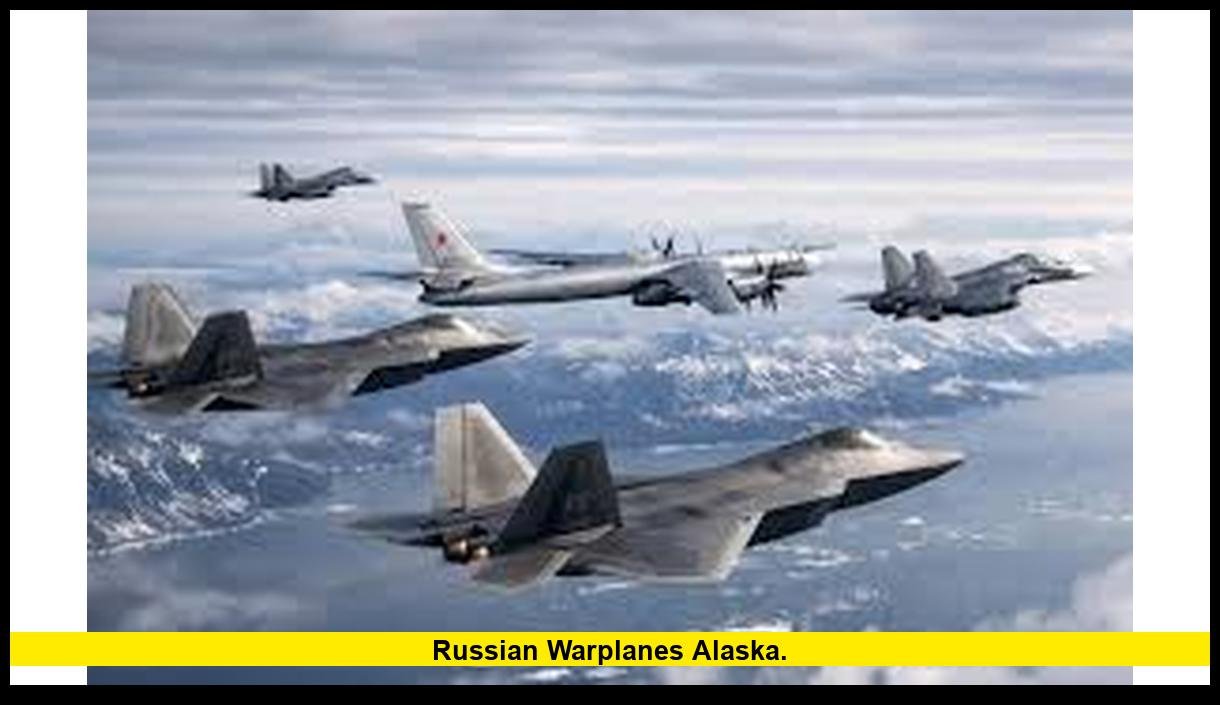
Russian warplanes near Alaska are routinely intercepted by U.S. fighters in the Alaska Air Defense Identification Zone while remaining in international airspace.
Russian warplanes Alaska encounters continue to draw attention in 2026 as U.S. fighter jets repeatedly intercept Russian aircraft operating near American airspace. These incidents occur in the Alaska Air Defense Identification Zone (ADIZ), an area where aircraft must identify themselves but that is not sovereign U.S. airspace.
Recent confirmed updates show North American Aerospace Defense Command (NORAD) tracking and intercepting Russian military aircraft flying near Alaska multiple times over the past year. The flights typically involve long-range bombers and support aircraft conducting patrol missions in international airspace. U.S. officials describe these operations as routine but closely monitored.
What Happened in the Latest Intercepts
NORAD has continued to detect Russian aircraft approaching the Alaska ADIZ in recent months. U.S. fighter jets — most often F-22 Raptors based in Alaska — launched to identify and shadow the aircraft.
Key verified details about recent encounters:
- Russian aircraft did not enter U.S. sovereign airspace.
- Intercepts occurred in international airspace within the ADIZ.
- U.S. forces tracked aircraft using radar before visual identification.
- Encounters were described as safe and professional.
These intercepts form part of standard air defense operations. NORAD monitors activity around North America every day and scrambles fighters when unidentified aircraft approach the zone.
Why Russian Aircraft Fly Near Alaska
Russia regularly conducts long-range aviation patrols in the Arctic and North Pacific. Alaska sits near major strategic routes between Russia and North America, which makes the region important for military monitoring.
Several reasons explain these flights:
- Training missions for long-range bomber crews
- Strategic signaling between major powers
- Testing air defense response times
- Arctic presence and patrol operations
Military analysts view these patrols as a continuation of decades-long Cold War-era practices that never fully stopped.
Aircraft Commonly Involved
Russian patrol flights near Alaska typically include a mix of bombers, fighters, and support planes.
Common aircraft types seen in confirmed intercepts:
- Tu-95 “Bear” bombers: Propeller-driven long-range strategic bombers frequently used in patrols
- Tu-160 “Blackjack” bombers: Supersonic strategic bombers used for long-range missions
- Su-35 fighters: Escort aircraft providing protection
- A-50 airborne early warning aircraft: Radar platforms supporting the mission
The U.S. response usually involves F-22 Raptors, occasionally supported by other aircraft and aerial refueling tankers.

How the Alaska ADIZ Works
The Alaska Air Defense Identification Zone extends beyond U.S. territorial airspace. Aircraft entering the zone must identify themselves for security monitoring purposes.
Important facts about the ADIZ:
- It is not sovereign airspace.
- Aircraft may legally fly there without violating U.S. borders.
- Military aircraft are often intercepted for identification.
- Intercepts do not automatically signal escalation.
Because of this structure, many encounters between Russian and U.S. aircraft occur without diplomatic incidents.
Frequency of Encounters in Recent Years
Encounters involving Russian aircraft near Alaska occur regularly. NORAD has reported multiple intercepts each year, reflecting persistent military activity in the region.
General patterns confirmed in recent updates:
- Several intercept events typically occur annually.
- Activity often increases during large military exercises.
- Flights may involve multiple aircraft formations.
- Intercepts usually last until aircraft leave the ADIZ.
U.S. officials emphasize that these events are expected and part of ongoing global military operations.
U.S. Military Response and Preparedness
The U.S. maintains continuous readiness in Alaska because of its geographic position. Bases such as Joint Base Elmendorf-Richardson play a key role in air defense.
Response steps during an intercept:
- Radar detects approaching aircraft.
- NORAD assesses identification status.
- Fighter jets launch if necessary.
- Pilots visually identify and shadow aircraft.
- Monitoring continues until aircraft depart.
This process ensures quick response while avoiding escalation.
Strategic Importance of Alaska
Alaska is central to North American defense strategy. Its location provides early warning capability for activity from the Arctic and Russia’s Far East.
Strategic reasons the region matters:
- Shortest flight routes between Russia and North America
- Arctic military competition
- Missile defense and early warning systems
- Growing geopolitical focus on the Arctic
Because of these factors, activity involving Russian aircraft near Alaska receives consistent attention from defense officials.
Safety and Rules During Intercepts
Modern intercept procedures follow established international safety guidelines. Pilots maintain distance and use standardized communication signals.
Confirmed characteristics of recent encounters:
- Intercepts described as professional
- Aircraft maintain safe separation
- No reported collisions or dangerous maneuvers
- Monitoring ends once aircraft leave the zone
These practices reduce the risk of miscalculation between militaries.
WhWhat These Flights Signal
Military patrol flights near Alaska mainly act as strategic messaging rather than direct confrontation. They show operational capability, long-range reach, and continued Arctic presence.
Recent 2026 intercepts involved coordinated formations that included bombers, fighter escorts, and surveillance aircraft. NORAD tracked and escorted the aircraft until they exited the Alaska ADIZ while remaining in international airspace.
Analysts generally interpret these missions as:
- Routine long-range patrol activity
- Strategic signaling between major powers
- Training for multi-aircraft coordination
- Ongoing presence in the Arctic security environment
Officials continue to stress that these encounters are expected and not unusual, reinforcing that russian warplanes alaska activity reflects standard military operations alongside continuous U.S. air defense readiness.
WWhat to Watch Going Forward
Future activity involving russian warplanes alaska is expected to continue at a steady pace as long-range patrol missions remain part of Russia’s regular military operations. Recent intercepts in early 2026 involved multiple Russian aircraft formations detected near the Alaska ADIZ, prompting NORAD to launch U.S. fighter jets and support aircraft for identification and escort. The aircraft stayed in international airspace and departed after monitoring.
Key developments to watch:
- Frequency of bomber patrol missions near Alaska
- Multi-aircraft formations combining bombers, fighters, and surveillance planes
- Expanded Arctic military exercises influencing flight routes
- Continued use of advanced U.S. fighters and integrated response tactics
Ongoing monitoring allows early detection and ensures rapid response, confirming that russian warplanes alaska encounters remain routine but strategically important for North American air defense.
Russian aircraft operating near Alaska remain a regular feature of military activity in the Arctic region. Intercepts reflect routine defense operations rather than immediate conflict, but they highlight the region’s strategic importance and continued great-power competition.
Share your thoughts on these intercepts or follow future updates to stay informed about air defense activity near Alaska.