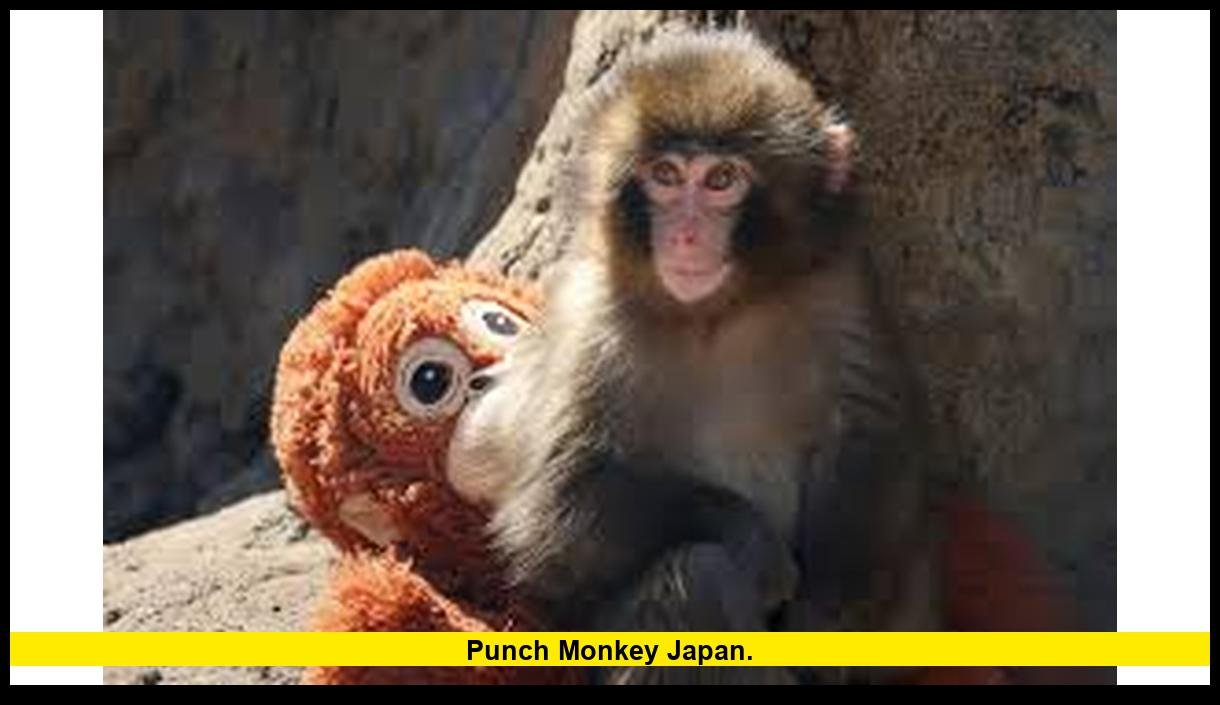
Punch monkey japan refers to a well-documented category of arcade and novelty machines found across Japan that feature a punching-strength game using a monkey character theme, often similar to strength testers seen worldwide. As of today, these machines remain active fixtures in Japanese arcades, game centers, amusement facilities, and tourist entertainment zones, with continued presence in modern arcade lineups and viral exposure through social media videos.
This topic has gained renewed attention online in recent years. Viral clips on short-form video platforms show visitors testing their punching power on themed machines featuring cartoon monkeys, bright animations, and competitive scoreboards. Interest has grown among U.S. audiences who encounter the machines through travel content and gaming channels.
What “Punch Monkey Japan” Means
The phrase describes a type of arcade punching game — often called a strength tester — designed with playful monkey branding. The concept combines physical interaction with classic arcade scoring mechanics.
Players strike a padded target. Sensors measure impact force and convert it into a score displayed on a digital screen. Monkey imagery appears in animations, sound effects, and cabinet design.
Key characteristics include:
- Cartoon monkey mascots reacting to punch strength
- Bright arcade cabinet styling common in Japanese game centers
- Score rankings that encourage competition
- Multiplayer turn-based play in busy arcades
- Placement in tourist-heavy entertainment districts
The monkey theme distinguishes these machines from traditional boxing strength testers found in bars or amusement parks in the United States.
Origins of Punch-Strength Arcade Machines in Japan
Punch-strength arcade games have existed globally for decades. Japan adapted the concept within its unique arcade culture, which favors character-driven experiences and visually expressive cabinets.
Japanese developers historically emphasize:
- Mascot characters
- Animation feedback
- Sound design tied to player performance
- Social competition
By the 2000s, themed strength testers — including monkey-themed versions — appeared in game centers alongside rhythm games, claw machines, and racing simulators.
Unlike generic strength testers, Japanese versions often present a comedic narrative. The monkey character might fly, react dramatically, or trigger humorous scenes based on score tiers.
Why Punch Monkey Machines Became Viral Online
The global visibility of punch monkey japan increased due to travel creators and gaming influencers posting arcade experiences. Short videos showing exaggerated animations gained strong engagement.
Several factors explain the viral appeal:
- Immediate visual payoff after one punch
- Easy to understand gameplay without language barriers
- Humorous reactions from animated monkey characters
- Competitive scoring among friends
- Cultural curiosity about Japanese arcades
These machines frequently appear in travel videos filmed in Tokyo, Osaka, and major entertainment districts.
The format suits short video platforms because each attempt produces a clear result within seconds.
Where These Machines Are Found Today
As of the most recent verified observations, punch-strength arcade machines with character themes — including monkey designs — remain common in:
- Major Japanese arcade chains
- Independent game centers
- Amusement floors in shopping complexes
- Tourist entertainment areas
- Retro and modern hybrid arcades
Japanese arcades continue operating despite industry changes, and physical interaction machines remain popular because they provide experiences not easily replicated at home.
Strength tester cabinets are typically placed near entrances where passersby can watch players compete.
Gameplay Mechanics Explained
The gameplay loop is simple but intentionally theatrical.
Basic steps:
- Player inserts coins or digital payment
- Machine prompts stance and timing
- Countdown animation begins
- Player punches padded target
- Sensors measure impact
- Score appears with animated monkey reaction
Score ranges often trigger different visual outcomes, encouraging repeat attempts.
Examples of feedback tiers:
- Low score: comedic failure animation
- Mid score: monkey reacts dramatically
- High score: celebratory sequence
- Top score: leaderboard recognition
This structure drives replay behavior.
Technology Behind Punch Strength Machines
Modern punch machines use internal sensors rather than purely mechanical measurement.
Typical technology includes:
- Force sensors or accelerometers
- Shock-absorption padding
- Digital scoring algorithms
- LED display systems
- Audio feedback modules
Japanese arcade manufacturers frequently refine animation and feedback rather than core measurement technology.
The entertainment value comes from presentation rather than raw accuracy.
Differences From Western Strength Testers
Punch monkey japan machines differ from Western versions in several ways.
| Feature | Japanese Character Machines | Western Strength Testers |
|---|---|---|
| Theme | Mascot-driven (monkey, characters) | Usually boxing themed |
| Feedback | Animated narrative | Numeric score only |
| Visual style | Bright, playful | Minimalist or sports style |
| Social design | Emphasis on group play | Individual challenge focus |
| Viral appeal | High due to character reactions | Lower visual storytelling |
These differences explain why international audiences notice Japanese versions more often.
Cultural Context Inside Japanese Arcade Design
Character mascots play a central role in Japanese entertainment design. Even simple mechanics often receive narrative framing.
Punch monkey machines reflect broader design patterns:
- Humor reduces performance pressure
- Characters create emotional engagement
- Visual storytelling increases replay value
- Spectators become part of the experience
Arcades in Japan function as social entertainment spaces rather than purely gaming venues. Physical interaction games help maintain that environment.
Tourism and International Interest
Travel content creators frequently highlight punch monkey japan as an example of Japan’s interactive arcade culture.
Reasons tourists try the machines:
- Quick activity requiring no instructions
- Competitive fun with friends
- Memorable video moments
- Cultural curiosity
- Physical challenge element
Visitors often share attempts online, which continuously refreshes global visibility.
This feedback loop — tourism content leading to more awareness — explains ongoing interest.
Safety Design and Accessibility
Manufacturers design punch machines with safety features:
- Padded striking surfaces
- Reinforced mounting structures
- Impact dampening systems
- Clear positioning guides
Arcades sometimes display suggested punching technique to reduce risk.
Because the machines measure force rather than boxing skill, they remain accessible to casual players.
Why Character-Themed Strength Games Continue to Exist
Despite the rise of home gaming, physical arcade experiences remain valuable.
Punch-strength machines persist because they offer:
- Physical interaction absent from console gaming
- Spectator entertainment
- Short session gameplay
- Competitive scoring without complexity
- Social media shareability
Japanese arcades increasingly rely on experiential machines that cannot be replicated digitally.
Recent Online Trends Surrounding Punch Monkey Machines
Recent trends include:
- Travel vlog challenges comparing scores
- Couples competing on arcade strength machines
- “First time in Japan” videos featuring punch testers
- Compilation clips of extreme high scores
- Reaction videos highlighting character animations
Short-form platforms amplified visibility, especially among younger audiences exploring international gaming culture.
Interest spikes periodically when viral clips circulate.
Arcade Industry Context Today
Japan’s arcade industry has undergone consolidation, but character-driven novelty machines remain part of the ecosystem.
Strength testers serve several roles:
- Entry-level attraction near entrances
- Crowd-gathering spectacle
- Quick monetization device
- Social activity between longer games
Operators keep them because they are durable and easy to understand.
The monkey theme represents a broader category rather than one single globally standardized machine.

Why the Phrase “Punch Monkey Japan” Appears in Searches
Search interest often comes from:
- People who saw viral videos
- Travelers planning arcade visits
- Gamers curious about unusual arcade machines
- Social media users searching specific clips
The phrase functions more as a descriptive internet label than a formal product name.
Multiple machines can fit the description if they share the monkey mascot and punch mechanic.
Future Outlook
Physical novelty machines remain relevant in Japanese arcades. Character-driven strength testers continue appearing because they combine low complexity with high entertainment value.
Industry trends suggest:
- Continued emphasis on shareable experiences
- Strong role for mascot-based design
- Ongoing presence in tourist-focused arcades
- Integration with digital scoreboards and social features
As long as arcades prioritize interactive attractions, punch-strength character machines are likely to remain part of the lineup.
Key Facts at a Glance
- Punch monkey japan describes monkey-themed arcade strength tester machines
- These machines remain active in Japanese arcades today
- Viral travel and gaming videos drive global interest
- Gameplay measures punch force and triggers character animations
- They represent a broader category rather than one single official product
Why U.S. Audiences Care
U.S. audiences encounter these machines primarily through travel media and gaming culture coverage. The mix of humor, competition, and physical gameplay creates strong curiosity.
The concept also highlights differences between Western and Japanese arcade design philosophy. Character storytelling transforms a simple strength test into a memorable entertainment moment.
This cultural contrast explains ongoing search interest.
Conclusion
Punch monkey japan reflects a distinctive corner of Japanese arcade culture where simple mechanics meet character-driven design. These machines remain visible in modern arcades, continue appearing in travel content, and attract international players seeking quick, competitive experiences.
Their popularity demonstrates how physical interaction, humor, and visual storytelling can keep classic arcade concepts relevant in the digital era.
Have you seen or tried one of these arcade strength machines? Share your experience or stay tuned for more updates on global gaming culture.