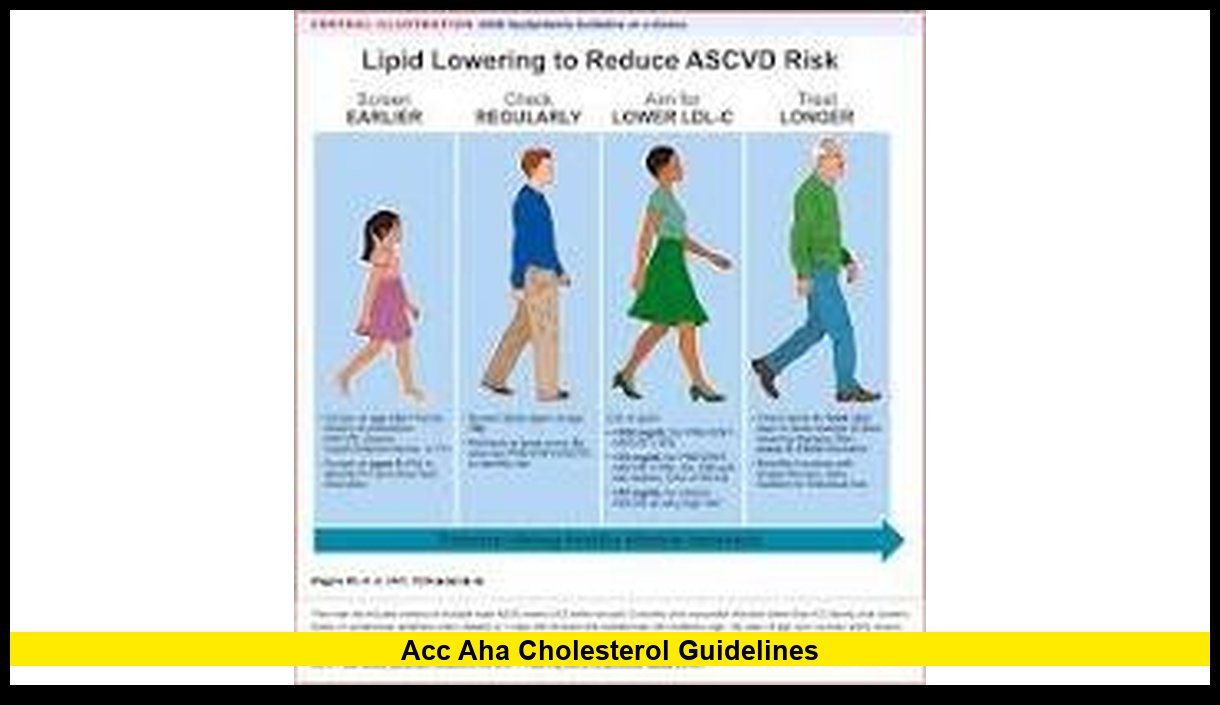
ACC AHA cholesterol guidelines continue to shape how doctors across the United States prevent and treat heart disease by focusing on reducing LDL cholesterol and assessing overall cardiovascular risk. These evidence-based recommendations from the American College of Cardiology and the American Heart Association guide physicians in prescribing statins, evaluating risk factors, and encouraging lifestyle changes to prevent heart attacks and strokes.
Cardiovascular disease remains the leading cause of death in the United States, which makes cholesterol management a major public health priority. The guideline framework emphasizes a risk-based approach rather than treating cholesterol numbers alone. Physicians evaluate each patient’s overall health profile to determine whether lifestyle changes, medication, or both are necessary.
Why Cholesterol Guidelines Matter in the United States
Heart disease affects millions of Americans every year. Elevated cholesterol levels increase the risk of plaque buildup in arteries, which can lead to heart attacks and strokes.
The cholesterol management framework developed by cardiology experts aims to:
- Identify individuals at high cardiovascular risk
- Reduce LDL cholesterol levels
- Prevent atherosclerotic cardiovascular disease
- Promote lifestyle changes that support heart health
- Guide the safe and effective use of cholesterol-lowering medications
Lowering LDL cholesterol remains one of the most effective ways to reduce cardiovascular events. Studies over several decades show that even modest LDL reductions can significantly lower the risk of heart attack and stroke.
Understanding Cholesterol and Its Role in Heart Disease
Cholesterol is a waxy substance that circulates in the bloodstream. It plays a role in hormone production and cell structure, but high levels can damage blood vessels.
There are several types of cholesterol:
| Type | Description | Health Impact |
|---|---|---|
| LDL Cholesterol | Known as “bad cholesterol” | Promotes plaque buildup in arteries |
| HDL Cholesterol | Known as “good cholesterol” | Helps remove cholesterol from the bloodstream |
| Triglycerides | A form of fat in blood | High levels increase cardiovascular risk |
Among these, LDL cholesterol is the primary treatment target because it contributes most strongly to atherosclerosis.
In general:
- LDL levels below 100 mg/dL are considered optimal for many adults
- High-risk patients often need significantly lower levels
Risk-Based Cholesterol Management
One of the most important changes in modern cardiovascular prevention is the use of risk estimation.
Rather than treating everyone with a certain cholesterol number, physicians evaluate the probability that a person will develop cardiovascular disease within the next decade.
Risk factors include:
- Age
- Sex
- Race
- Total cholesterol
- HDL cholesterol
- Blood pressure
- Diabetes
- Smoking history
- Blood pressure treatment
Using these variables, clinicians estimate a patient’s 10-year risk of atherosclerotic cardiovascular disease (ASCVD).
ASCVD Risk Categories
| Risk Level | Estimated 10-Year Risk |
|---|---|
| Low Risk | Less than 5% |
| Borderline Risk | 5%–7.4% |
| Intermediate Risk | 7.5%–19.9% |
| High Risk | 20% or higher |
Patients in higher risk categories benefit the most from cholesterol-lowering therapy.
Four Major Patient Groups Identified for Treatment
The cholesterol framework highlights four groups who benefit strongly from statin therapy.
1. Patients With Established Cardiovascular Disease
People who already have cardiovascular disease require aggressive treatment.
Examples include:
- Previous heart attack
- Ischemic stroke
- Peripheral artery disease
- Coronary artery disease
These patients usually receive high-intensity statin therapy designed to reduce LDL cholesterol by at least 50 percent.
Doctors may add additional medications if cholesterol remains elevated despite treatment.
2. Adults With Very High LDL Cholesterol
Individuals with LDL levels of 190 mg/dL or higher are considered at high risk even if they have no other health conditions.
These patients often have inherited conditions such as familial hypercholesterolemia.
For this group:
- High-intensity statins are recommended
- Early treatment helps prevent premature heart disease
3. Adults With Diabetes
Diabetes significantly increases the risk of cardiovascular disease.
For adults between 40 and 75 years old who have diabetes:
- Moderate-intensity statins are typically recommended
- High-intensity statins may be used if other risk factors are present
Risk-enhancing factors for diabetic patients include kidney disease, long duration of diabetes, or multiple cardiovascular risk factors.
4. Adults With Elevated Cardiovascular Risk
Some adults without diabetes may still need cholesterol treatment.
This group includes individuals aged 40 to 75 with:
- LDL levels between 70 and 189 mg/dL
- An elevated estimated 10-year cardiovascular risk
For these patients, physicians often recommend moderate-intensity statins to lower LDL levels and reduce cardiovascular risk.
Statin Therapy: The Core Treatment Strategy
Statins are the most widely used medications for lowering cholesterol.
They work by reducing cholesterol production in the liver and increasing the removal of LDL from the bloodstream.
Common statin medications include:
- Atorvastatin
- Rosuvastatin
- Simvastatin
- Pravastatin
- Lovastatin
Benefits of Statins
Statin therapy has been shown to:
- Lower LDL cholesterol significantly
- Reduce risk of heart attack
- Reduce risk of stroke
- Stabilize plaque inside arteries
- Lower overall cardiovascular mortality
These medications are considered first-line therapy for both prevention and treatment of cardiovascular disease.
Additional Cholesterol-Lowering Medications
Some patients cannot reach cholesterol goals using statins alone. In these cases, additional medications may be used.
Ezetimibe
Ezetimibe reduces the absorption of cholesterol in the intestine.
Doctors may add it when:
- LDL levels remain high despite statin therapy
- Patients cannot tolerate high-dose statins
PCSK9 Inhibitors
PCSK9 inhibitors are injectable medications that significantly lower LDL cholesterol.
Examples include:
- Evolocumab
- Alirocumab
These medications are often prescribed for:
- Patients with very high cardiovascular risk
- Individuals with genetic cholesterol disorders
- Patients who cannot reach LDL goals with other treatments
PCSK9 inhibitors can lower LDL levels by more than 50 percent.
Lifestyle Changes Recommended for Cholesterol Control
Medication alone cannot fully protect heart health. Lifestyle changes remain a central component of prevention.
Heart-Healthy Diet
Recommended dietary patterns emphasize:
- Fruits and vegetables
- Whole grains
- Lean proteins such as fish and poultry
- Nuts and legumes
- Limited saturated fat
- Minimal trans fats
Reducing processed foods and added sugars also improves cholesterol levels.
Regular Physical Activity
Exercise improves cholesterol levels and cardiovascular fitness.
Adults should aim for:
- 150 minutes of moderate-intensity exercise each week
Examples include:
- Brisk walking
- Cycling
- Swimming
- Jogging
Regular activity helps raise HDL cholesterol and lower LDL levels.
Weight Management
Maintaining a healthy weight can reduce several cardiovascular risk factors, including:
- High blood pressure
- High cholesterol
- Insulin resistance
Even modest weight loss can improve cholesterol levels.
Smoking Cessation
Smoking damages blood vessels and accelerates plaque buildup.
Quitting smoking:
- Reduces cardiovascular risk
- Improves HDL cholesterol
- Enhances overall heart health
Smoking cessation remains one of the most effective preventive steps for heart disease.
Risk-Enhancing Factors That Influence Treatment Decisions
Doctors sometimes consider additional factors when deciding whether to start cholesterol medication.
These include:
- Family history of early heart disease
- Chronic kidney disease
- Metabolic syndrome
- Chronic inflammatory conditions
- Elevated triglycerides
- Elevated lipoprotein(a)
These factors help physicians refine risk estimates and personalize treatment plans.
Coronary Artery Calcium Scoring
When treatment decisions remain uncertain, doctors may use coronary artery calcium testing.
This imaging test measures calcium deposits in coronary arteries.
Results help guide treatment decisions:
| CAC Score | Interpretation |
|---|---|
| 0 | Low short-term risk |
| 1–99 | Moderate plaque presence |
| 100 or higher | High cardiovascular risk |
A high CAC score strongly supports starting cholesterol-lowering therapy.
Impact on Preventive Cardiology in the United States
The ACC AHA cholesterol guidelines have transformed preventive cardiology by shifting the focus toward individualized risk assessment.
Healthcare providers across the United States rely on these recommendations to guide:
- Preventive screenings
- Medication prescribing
- Lifestyle counseling
- Long-term cardiovascular risk reduction
Millions of Americans currently receive cholesterol-lowering therapy based on these recommendations.
The guidelines also help standardize care among cardiologists, primary care physicians, and public health systems.
Key Principles of Modern Cholesterol Management
Several core principles guide modern cardiovascular prevention strategies.
Risk-based treatment:
Patients receive therapy based on their overall risk rather than cholesterol numbers alone.
Statins as first-line therapy:
Statins remain the most effective and widely studied medications for reducing cardiovascular risk.
Aggressive treatment for high-risk patients:
Individuals with heart disease or extremely high cholesterol require intensive therapy.
Lifestyle changes remain essential:
Diet, exercise, and smoking cessation significantly improve heart health.
Personalized decision-making:
Clinicians consider individual risk factors, preferences, and health conditions when choosing treatment.
Future Directions in Cholesterol Prevention
Cardiovascular research continues to evolve.
Emerging areas of study include:
- New cholesterol-lowering medications
- Genetic testing for inherited lipid disorders
- Precision medicine approaches to cardiovascular risk
- Earlier screening strategies for high-risk populations
Future updates to cholesterol guidelines will likely incorporate new therapies and improved risk-assessment tools.
These advances aim to further reduce the burden of heart disease across the United States.
Understanding how cholesterol affects heart health empowers people to take control of their cardiovascular risk, so share your thoughts or experiences with cholesterol management in the comments and stay informed about future updates.