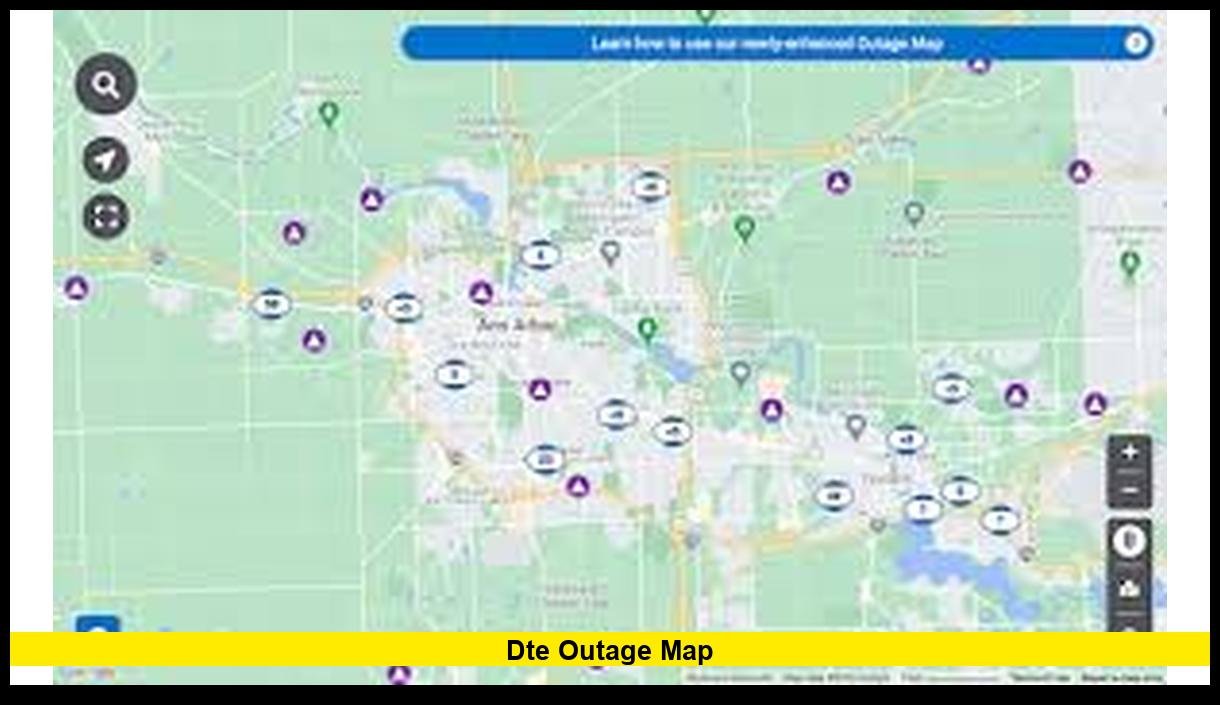
The dte outage map remains the most reliable real-time tool for tracking power outages across Michigan as of April 15, 2026, with thousands of customers periodically affected by spring weather patterns, infrastructure repairs, and localized service interruptions. Utility crews continue active restoration efforts, and the outage map is being updated continuously to reflect changing conditions across service areas.
Current Status of the DTE Outage Map (April 2026)
As of today, the DTE outage map is functioning normally and providing live updates for customers experiencing service interruptions. Reports show that outages remain dynamic, meaning the number of affected customers can rise or fall throughout the day depending on:
- Weather conditions, especially wind and thunderstorms
- Equipment failures or maintenance issues
- Vehicle accidents involving utility poles
- Planned service upgrades
DTE Energy’s system updates the map every few minutes, ensuring users see near real-time outage information. This includes estimated restoration times, affected neighborhoods, and crew status.
Customers across Southeast Michigan—including Detroit, Ann Arbor, Flint, and surrounding suburbs—continue to rely on the map as their primary outage tracking tool.
What the DTE Outage Map Shows
The DTE outage map is designed to be simple but highly informative. When you access it, you’ll see a color-coded display indicating outage severity and spread.
Here’s what you can expect:
- Outage locations with geographic precision
- Estimated number of customers affected
- Restoration timelines based on current assessments
- Crew assignment and repair status
The interface allows users to zoom into neighborhood-level detail, helping determine whether an outage is isolated or widespread.
Why Outages Are Happening Right Now
Power outages in April are common in Michigan due to seasonal transitions. Weather patterns during this time can shift quickly and stress the electrical grid.
Recent causes include:
- Strong winds knocking down tree limbs and power lines
- Heavy rain weakening soil around poles
- Temperature swings impacting equipment performance
- Scheduled infrastructure upgrades
Even short storms can disrupt service for thousands of customers within minutes.
How Accurate Is the DTE Outage Map?
The DTE outage map is generally accurate, but it relies on multiple data sources that can change rapidly.
Key points about accuracy:
- Data is collected from automated grid sensors and user reports
- Updates are frequent but may lag during major outage events
- Restoration estimates are projections, not guarantees
During large outages, numbers may shift as crews identify additional damage.
How to Use the DTE Outage Map Effectively
To use the outage map efficiently:
- Enter your address or enable location services
- Check if your outage has already been reported
- Review the estimated restoration timeline
- Refresh the map regularly for updates
If your outage does not appear, reporting it immediately can help speed up response times.
Reporting an Outage Through DTE
Customers can report outages in several ways:
- Online through the outage map interface
- Using the official mobile app
- Via automated phone systems
Reporting ensures your outage is logged and visible, which helps crews prioritize repairs.
Restoration Process: What Happens Behind the Scenes
DTE follows a structured approach when restoring power:
Assessment: Crews evaluate the damage and identify the cause.
Prioritization: Critical infrastructure is restored first.
Repair Work: Damaged lines, poles, or transformers are fixed.
System Testing: Equipment is checked before reactivation.
Restoration: Power is gradually restored to affected areas.
The timeline varies based on the severity of the outage.
Common Issues Customers Report
Customers sometimes experience challenges such as:
- Changing restoration estimates
- Power returning briefly and going out again
- Delays in map updates during peak outages
- Difficulty accessing the map during high traffic
These issues are more common during severe weather events.
Mobile Access and App Features
The outage map is fully accessible on mobile devices and through the DTE app.
Features include:
- Real-time outage alerts
- Personalized notifications
- Easy reporting tools
- Status tracking by location
Mobile access is especially helpful during storms or extended outages.
How Weather Impacts the DTE Outage Map
Weather remains the leading cause of outages in the DTE service area.
High-risk conditions include:
- Wind storms with strong gusts
- Ice buildup on power lines
- Lightning strikes
- Flooding and saturated ground
These conditions can trigger widespread outages that appear quickly on the map.
Recent Trends in Power Outages
In 2026, outage patterns show noticeable changes:
- Shorter outage durations due to grid upgrades
- More localized outages instead of large-scale blackouts
- Faster response times from repair crews
However, major storms can still cause widespread disruptions.
Planned Maintenance and Its Impact
Not all outages are unexpected. DTE performs regular maintenance, including:
- Equipment upgrades
- Grid modernization projects
- Tree trimming near power lines
Planned outages are typically scheduled in advance and may appear on the outage map.
Safety Tips During an Outage
During a power outage, safety is essential.
Follow these precautions:
- Stay away from downed power lines
- Use flashlights instead of candles
- Keep refrigerator doors closed
- Unplug sensitive electronics
- Operate generators outdoors only
Staying informed through the outage map helps you prepare and respond effectively.
Estimated Restoration Times Explained
Restoration estimates are based on several factors:
- Extent of damage
- Availability of repair crews
- Weather conditions
- Equipment requirements
These estimates may change as new information becomes available.
What to Do If Your Power Isn’t Restored on Time
If your outage lasts longer than expected:
- Check the outage map for updates
- Confirm your outage is still reported
- Look at neighboring areas for comparison
- Contact customer support if needed
Delays can occur when additional damage is discovered.
Comparing DTE Outage Map to Other Utility Tools
The DTE outage map compares well with similar tools across the U.S.
Strengths:
- Frequent updates
- Detailed outage data
- Mobile-friendly interface
Limitations:
- Estimates can change
- High traffic can slow performance
Despite limitations, it remains a key resource for customers.
How Infrastructure Investments Are Improving Reliability
DTE continues to invest in grid improvements, including:
- Smart grid technology
- Automated switching systems
- Select underground power lines
- Expanded tree trimming programs
These upgrades aim to reduce outage frequency and improve restoration speed.
Customer Feedback and Ongoing Improvements
Customers have raised concerns about:
- Inconsistent restoration estimates
- Repeated outages in certain areas
- Communication during major events
DTE is actively working to improve system reliability and transparency.
Future of the DTE Outage Map
The outage map is expected to evolve with new features such as:
- More precise restoration estimates
- Predictive outage analytics
- Faster real-time updates
- Enhanced mobile notifications
These advancements aim to improve user experience and reliability.
Why the DTE Outage Map Matters
The dte outage map has become even more essential in 2026 as outages continue to fluctuate in real time, with recent data showing tens of thousands of customers without power during peak events. It helps customers track outages instantly, understand changing restoration timelines, report issues faster, and monitor overall grid performance as weather-related disruptions remain frequent across Michigan. With storms causing sudden spikes that can impact tens of thousands of customers within hours, access to accurate, continuously updated outage information is now critical for safety, planning, and staying informed during rapidly changing conditions.
Access to accurate outage information is essential in areas affected by frequent weather-related disruptions.
Key Takeaways for Customers Today
- The outage map is fully operational and frequently updated
- Outages are largely driven by weather and infrastructure factors
- Restoration times are estimates and may change
- Reporting outages helps improve response times
- Mobile access provides convenient real-time updates
Stay informed, check the outage map regularly, and share your experience in the comments to help others stay updated.