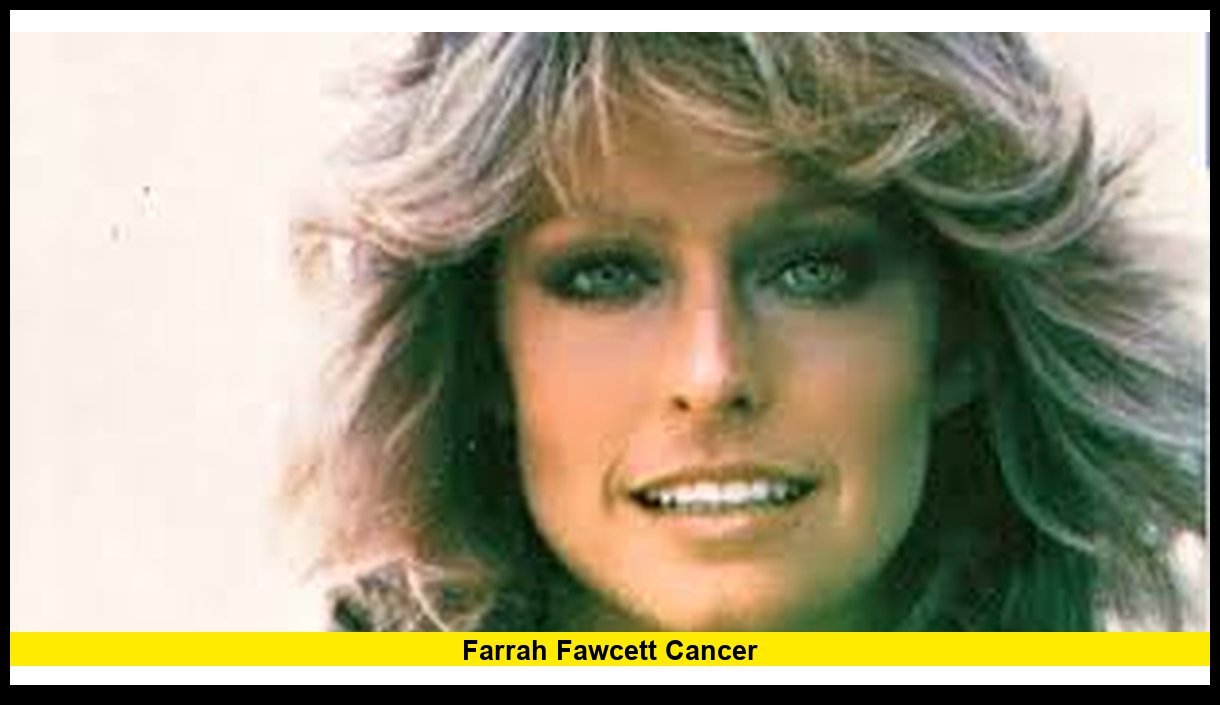
Farrah Fawcett died in 2009 after battling anal cancer that later spread to her liver.
Farrah Fawcett cancer remains a defining chapter in Hollywood history, with her battle against anal cancer continuing to influence awareness, research, and public conversations as of 2026.
A Lasting Legacy Still Relevant Today
Farrah Fawcett, one of the most recognizable stars of the 1970s, died on June 25, 2009, after a widely publicized fight with anal cancer. Her diagnosis was first confirmed in 2006, bringing rare attention to a disease that many Americans had barely heard about.
As of today, there are no new medical developments related to her personal case. However, her story continues to be referenced in cancer awareness campaigns, medical discussions, and media retrospectives. Her openness changed how celebrities discuss serious illness in public.
Her legacy is still active through foundations, archival footage, and renewed interest in her documentary.
Understanding Farrah Fawcett’s Diagnosis
Farrah Fawcett was diagnosed with anal cancer at age 59. This type of cancer is relatively rare in the United States compared to colorectal or breast cancer.
Key medical facts about her condition:
- Anal cancer develops in the tissues of the anus
- It is often linked to human papillomavirus (HPV)
- Early detection significantly improves survival rates
Fawcett initially underwent chemotherapy and radiation therapy. By early 2007, she was declared cancer-free. However, the disease returned months later and metastasized to her liver.
Her recurrence marked a turning point in her journey and led her to explore alternative treatments overseas.
Her Treatment Journey and Public Transparency
Farrah Fawcett chose to document her experience in detail. Her approach stood out at a time when many celebrities kept health struggles private.
Treatment timeline:
- 2006: Initial diagnosis and treatment in the U.S.
- 2007: Declared cancer-free, followed by recurrence
- 2008–2009: Experimental treatments in Germany
- 2009: Final months documented in a television special
She traveled to Germany seeking innovative therapies not widely available in the U.S. These included targeted treatments and procedures aimed at slowing the spread of cancer.
Her willingness to share every stage of her journey helped millions understand the emotional and physical toll of cancer.
“Farrah’s Story” and Its Continuing Impact
In 2009, a documentary titled Farrah’s Story aired on television. It featured real footage of her treatments, struggles, and personal reflections.
Why it still matters today:
- It was one of the first celebrity-led cancer documentaries
- It provided an unfiltered look at terminal illness
- It helped reduce stigma around discussing cancer
As of 2026, the documentary is still referenced in discussions about patient advocacy and media representation of illness. It is often cited as a pivotal moment in health storytelling.
How Farrah Fawcett Cancer Changed Public Awareness
Before Farrah Fawcett’s diagnosis, anal cancer received limited attention in mainstream media. Her openness brought it into national conversation.
Key awareness outcomes:
- Increased public knowledge of HPV-related cancers
- More conversations about early screening
- Greater emphasis on patient advocacy
Medical professionals have noted that awareness of anal cancer screenings and symptoms rose significantly following her diagnosis.
The Role of HPV in Anal Cancer
One of the most important aspects of Farrah Fawcett’s story is its connection to HPV, a common virus in the United States.
Key facts about HPV:
- It is the most common sexually transmitted infection
- Certain strains can lead to cancers, including anal cancer
- Vaccines are now widely available and recommended
Since Fawcett’s passing, HPV vaccination rates have increased, especially among younger populations. Public health campaigns frequently reference high-profile cases like hers to encourage prevention.
The Farrah Fawcett Foundation Today
The Farrah Fawcett Foundation was established to fund cancer research and support patients.
Current focus areas:
- Cancer research grants
- Patient assistance programs
- Awareness campaigns
As of 2026, the foundation continues to operate and contributes to advancements in cancer treatment and education. It also helps individuals access care and resources.
Recent Mentions and Cultural Relevance in 2025–2026
Farrah Fawcett’s name continues to surface in media, especially during anniversaries and cancer awareness months.
Recent developments:
- Retrospective features highlighting her career and illness
- Renewed streaming interest in her documentary
- Social media campaigns referencing her advocacy
Her story often reappears when discussing celebrity health transparency and the evolution of cancer awareness.
Why Her Story Still Resonates in 2026
Farrah Fawcett’s battle with cancer is remembered not just because she was famous, but because of how she chose to handle it.
Key reasons her story endures:
- She showed vulnerability in a highly public way
- She educated millions without medical jargon
- She helped normalize conversations about serious illness
Her journey continues to inspire patients, caregivers, and healthcare professionals.
Symptoms and Early Detection: What We Know Now
Anal cancer remains rare, but awareness has improved since Fawcett’s diagnosis.
Common symptoms include:
- Rectal bleeding
- Pain or pressure in the anal area
- Changes in bowel habits
- Unusual lumps or growths
Early detection is critical. Medical experts emphasize regular check-ups, especially for high-risk individuals.
Advancements in Treatment Since Her Passing
Cancer treatment has evolved significantly since 2009.
Modern improvements include:
- More targeted therapies
- Improved radiation techniques
- Better management of side effects
While these advancements came too late for Farrah Fawcett, they reflect progress partly driven by increased awareness and funding.
Celebrity Health Transparency: A Shift She Helped Create
Before Farrah Fawcett, many celebrities avoided discussing serious illnesses publicly. Today, openness is more common.
Changes influenced by her story:
- More public disclosures of diagnoses
- Increased support networks for patients
- Greater media coverage of health issues
Her approach helped redefine how public figures handle personal health challenges.
Public Reaction Then and Now
At the time of her illness, public support was overwhelming. Fans followed updates closely and expressed concern worldwide.
Today, that support has transformed into lasting respect and continued interest in her legacy.
Ongoing public sentiment:
- Admiration for her courage
- Recognition of her advocacy
- Continued curiosity about her story
Anal Cancer Awareness in the United States Today
Awareness has improved, but challenges remain.
Current landscape:
- Increased screening recommendations
- Greater focus on HPV prevention
- Continued need for education
Organizations continue to use high-profile cases like Farrah Fawcett cancer to highlight the importance of early detection.
Key Timeline of Farrah Fawcett’s Cancer Journey
| Year | Event |
|---|---|
| 2006 | Diagnosed with anal cancer |
| 2007 | Declared cancer-free, then recurrence |
| 2008 | Experimental treatment in Germany |
| 2009 | Documentary released; passed away |
This timeline remains one of the most referenced celebrity health journeys in modern history.
Lessons From Farrah Fawcett’s Experience
Her story offers valuable insights for patients and families.
Key takeaways:
- Early detection saves lives
- Advocacy matters
- Transparency can help others
Her experience continues to guide conversations about cancer care and awareness.
The Emotional Side of Her Journey
Farrah Fawcett’s story was not just medical—it was deeply personal. She shared moments of hope, fear, and resilience.
Her openness allowed viewers to see the human side of cancer. That emotional connection remains one of the most powerful aspects of her legacy.
Media Coverage and Its Evolution
Coverage of her illness marked a shift in how media handles health stories.
Then vs. now:
- Then: Limited, often sensationalized
- Now: More educational and empathetic
Her documentary played a key role in changing this approach.
Why Her Story Still Drives Search Interest
Even in 2026, search interest in Farrah Fawcett cancer remains high.
Reasons include:
- Educational value
- Historical significance
- Continued media references
People still look to her story to understand cancer awareness and celebrity influence.
Conclusion
Farrah Fawcett’s battle with cancer continues to resonate more than a decade after her passing. While there are no new medical updates about her case, her influence remains deeply embedded in cancer awareness, research funding, and public dialogue.
Her story transformed how people view illness, advocacy, and the role of public figures in health education. In 2026, her legacy is not just remembered—it is actively shaping conversations and saving lives through awareness.
What do you think about Farrah Fawcett’s lasting impact on cancer awareness? Share your thoughts and join the conversation below.