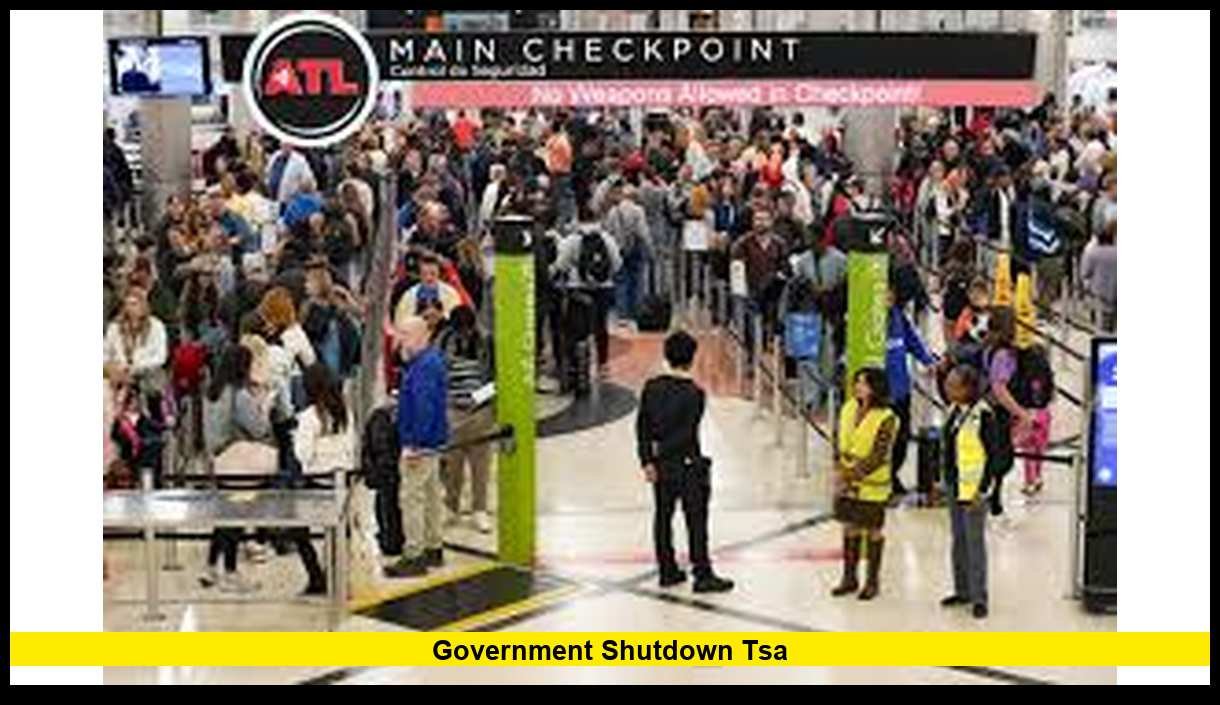
Government shutdown TSA concerns are once again front of mind for U.S. travelers as federal funding deadlines continue to create uncertainty. As of March 2026, there is no active government shutdown affecting TSA operations, and airport security screening across the United States is functioning normally. However, recent funding negotiations in Washington have kept the possibility of a lapse in appropriations on the radar, prompting renewed questions about how the Transportation Security Administration would operate if a shutdown were to occur.
This article breaks down the latest verified updates, explains how TSA operates during a shutdown, and outlines exactly what travelers can expect based on confirmed federal procedures and past shutdown impacts.
Current Status of TSA During Federal Funding Uncertainty
At present, TSA checkpoints remain fully operational across all U.S. airports. Travelers are not experiencing widespread disruptions tied to federal funding issues.
Key verified facts as of now:
- TSA continues normal screening operations nationwide
- All airport security checkpoints are open
- TSA officers are working regular shifts
- Wait times remain consistent with typical seasonal travel patterns
Even during periods of political uncertainty, TSA is classified under essential federal services. This designation ensures continuity regardless of funding disputes.
Why TSA Continues Operating During a Government Shutdown
TSA falls under the Department of Homeland Security and is considered critical to national security. Because of this classification, TSA officers are required to work even if federal funding lapses.
Here’s how that works:
- TSA agents are deemed “essential employees”
- They must report to work without interruption
- Pay may be delayed during a shutdown, but employees are typically compensated retroactively
This structure has been consistent across previous shutdowns, including the longest one in U.S. history from December 2018 to January 2019.
What Happens to TSA Pay During a Shutdown
While TSA operations continue, compensation becomes a key issue.
During a shutdown:
- TSA officers work without immediate pay
- Back pay has historically been approved after funding is restored
- Financial strain can impact employee morale
In past shutdowns, delayed paychecks led to increased absenteeism among some federal workers. However, TSA maintained operational capacity despite these challenges.
How a Government Shutdown Can Affect TSA Efficiency
Even though TSA stays open, performance can be affected indirectly.
Potential Impacts Include:
- Longer wait times at certain airports
- Reduced staffing flexibility
- Increased pressure on existing personnel
- Slight operational slowdowns during peak hours
During the 2018–2019 shutdown, some major airports reported increased wait times due to staffing shortages. However, nationwide shutdown of TSA checkpoints never occurred.
Airport Security Wait Times: What Travelers Are Seeing Now
As of March 2026:
- Average TSA wait times remain within normal ranges
- Major hubs like Atlanta, Los Angeles, and Chicago report no unusual delays
- TSA PreCheck lanes continue to operate efficiently
Travelers are advised to continue arriving early, especially during peak travel periods such as spring break and holidays.
TSA PreCheck and Global Entry During a Shutdown
Programs like TSA PreCheck and Global Entry operate differently during funding lapses.
TSA PreCheck
- Continues functioning normally
- Enrollment centers may experience delays
Global Entry
- Application processing may slow down
- Interviews may be postponed
These programs rely partly on administrative staff who may not be classified as essential workers.
Impact on Airport Operations Beyond TSA
While TSA remains operational, other airport-related services can be affected by a shutdown.
Possible Disruptions:
- Delays in FAA training programs
- Slower hiring processes for aviation staff
- Reduced government administrative support
However, core aviation safety and air traffic control functions continue uninterrupted.
Airlines and Travel Demand During Shutdown Concerns
Airlines typically do not cancel flights due to a government shutdown alone. However, traveler sentiment can shift.
Recent trends show:
- Slight dips in bookings during prolonged uncertainty
- Increased traveler inquiries about airport delays
- Greater reliance on real-time travel updates
Airlines continue operating full schedules unless other factors, such as weather, intervene.
Lessons From Past Government Shutdowns and TSA
The 2018–2019 shutdown provides the most relevant example.
What Happened Then:
- TSA officers worked without pay for 35 days
- Some airports experienced staffing shortages
- Wait times increased in select locations
- Public concern surged, but nationwide operations continued
Despite these challenges, TSA maintained its core mission without closing security checkpoints.
What Travelers Should Do Right Now
Even without an active shutdown, preparation remains key.
Smart Travel Tips:
- Arrive at the airport at least 2 hours early for domestic flights
- Check TSA wait times online before leaving
- Enroll in TSA PreCheck for faster screening
- Monitor airline updates for any changes
Being proactive helps avoid stress, especially during uncertain periods.
What Could Change If a Shutdown Happens
If federal funding lapses in the future, travelers may notice gradual changes.
Short-Term Effects:
- Minimal immediate disruption
- TSA checkpoints remain open
Longer-Term Effects:
- Increased wait times
- Potential staffing challenges
- Slower processing for trusted traveler programs
The longer a shutdown lasts, the more noticeable the effects could become.
Government Efforts to Prevent Disruptions
Federal policymakers have historically taken steps to minimize disruption to essential services.
Measures often include:
- Passing short-term funding bills
- Ensuring back pay for federal employees
- Prioritizing national security operations
These actions aim to keep TSA and other critical agencies functioning smoothly.
Public Reaction and Traveler Concerns
Travelers often react strongly to shutdown news, even when impacts are limited.
Common concerns include:
- Fear of long security lines
- Confusion about airport operations
- Uncertainty about travel plans
Clear communication from TSA and airports has helped reduce panic in recent years.
TSA Staffing Levels and Readiness
TSA maintains contingency plans for shutdown scenarios.
These include:
- Adjusting shift schedules
- Reallocating staff across airports
- Prioritizing high-traffic locations
These strategies help maintain efficiency even under financial strain.
Spring and Summer Travel Outlook for 2026
Looking ahead:
- Travel demand is expected to remain strong
- TSA is preparing for high passenger volumes
- No confirmed disruptions tied to funding issues
Seasonal travel peaks will likely be the biggest factor influencing wait times, not government funding concerns.
Key Takeaways for U.S. Travelers
- TSA continues operating even during a shutdown
- No current shutdown is affecting airport security
- Wait times remain normal across most airports
- Future disruptions would likely be gradual, not immediate
Understanding these facts can help travelers plan with confidence.
Final Thoughts on Government Shutdown TSA Concerns
Government shutdown TSA worries often sound more alarming than the reality. While funding lapses can create challenges behind the scenes, airport security screening remains one of the most protected functions in the federal system.
Travelers should stay informed but not alarmed. With proper planning, flying remains smooth even during periods of political uncertainty.
Have you experienced airport delays during past shutdown concerns, or are you planning to travel soon? Share your thoughts and stay updated as the situation evolves.