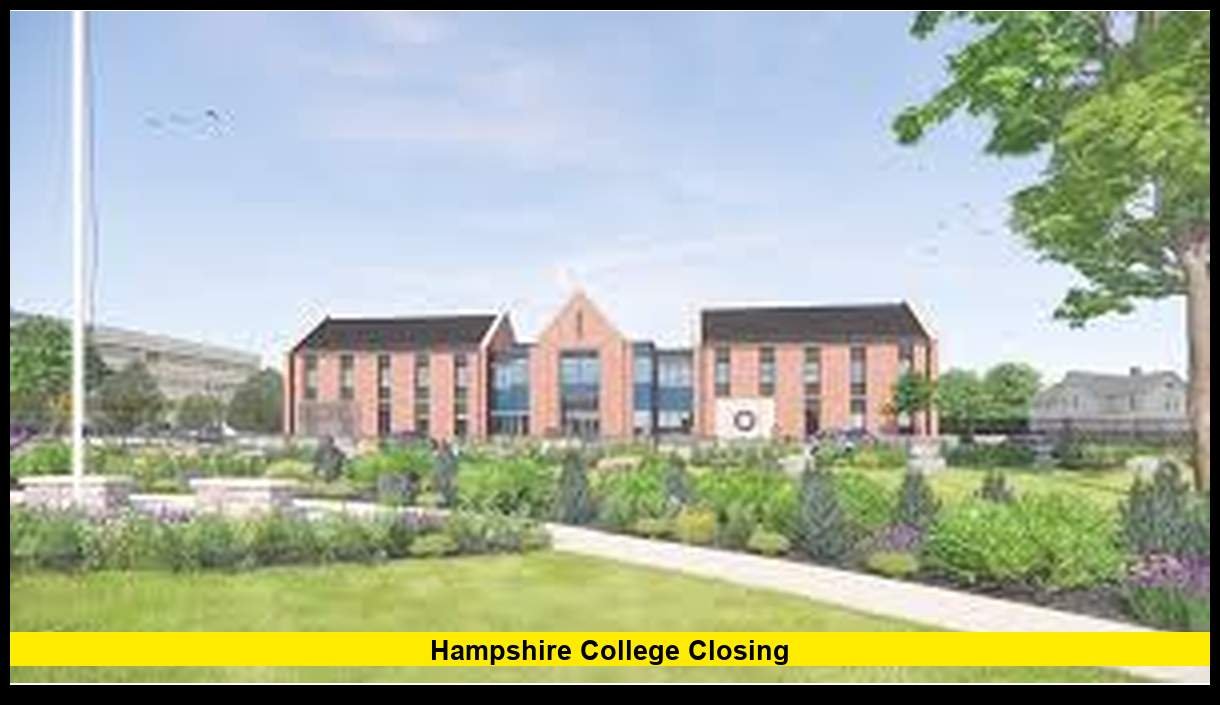
The phrase hampshire college closing continues to trend, but as of 2026, Hampshire College is not closing and remains operational with renewed stability and growth.
In recent years, confusion around the institution’s future has resurfaced online, often tied to older reports from its 2018–2019 financial crisis. However, the most current information shows that Hampshire College has stabilized financially, rebuilt enrollment, and continues to operate as an independent liberal arts institution in Amherst, Massachusetts.
This article provides a clear, factual breakdown of the situation, separating past concerns from present reality and explaining why the “closing” narrative still circulates.
What Sparked the Hampshire College Closing Rumors?
The origin of the “hampshire college closing” narrative dates back to early 2019, when the college faced a severe financial shortfall.
At the time, leadership announced that Hampshire would not admit a full incoming class for the fall semester. That decision immediately triggered alarm across higher education, as it suggested the school might be heading toward closure or a merger.
Key issues during that period included:
- Declining enrollment over several years
- Rising operational costs
- Limited endowment compared to peer institutions
- Structural challenges in its non-traditional academic model
Students protested, faculty raised concerns, and national attention intensified speculation that the college might shut down.
The Turning Point: Institutional Reset and Leadership Changes
Hampshire College did not close. Instead, it underwent a major internal transformation.
A leadership shift marked the beginning of recovery. New administration implemented a revised financial and academic strategy designed to stabilize operations while preserving the college’s core identity.
Several key actions helped reverse the trajectory:
- Restoration of full undergraduate admissions
- Strategic fundraising campaigns
- Cost restructuring measures
- Renewed focus on student recruitment
These moves were critical in rebuilding confidence among prospective students and alumni.
Current Status in 2026: Hampshire College Is Open and Operating
As of today, Hampshire College is fully operational and continues to admit new students.
There has been no official announcement or confirmed plan indicating closure. Instead, the institution has taken measurable steps to ensure long-term sustainability.
Current Indicators
- The college continues to enroll new undergraduate classes
- Academic programs remain active and evolving
- Campus operations are ongoing without interruption
- Faculty hiring and retention have stabilized
- Student engagement and retention rates have improved
The narrative around “hampshire college closing” does not reflect current reality.
Enrollment Trends: From Decline to Recovery
Enrollment was a central issue during the crisis years. However, recent cycles show a gradual rebound.
After hitting a low point around 2019–2020, Hampshire began rebuilding its student base through targeted outreach and program adjustments.
Key Enrollment Developments
- Reintroduction of full admissions cycles
- Increased interest from non-traditional and interdisciplinary students
- Expanded recruitment efforts across the U.S.
- Improved yield rates among admitted students
While enrollment has not returned to historical highs, the upward trend is a strong indicator of institutional recovery.
Financial Health: Stabilization After Crisis
Financial instability was the primary driver behind closure fears. Today, the situation has improved significantly.
Hampshire College implemented disciplined financial management strategies, including:
- Budget realignment
- Operational cost controls
- Enhanced fundraising initiatives
- Donor engagement campaigns
These steps helped the college regain footing without sacrificing its educational model.
What This Means
The institution is no longer in the emergency state that fueled earlier rumors. Financial operations are now aligned with enrollment realities, reducing the risk of sudden disruption.
Academic Model: A Unique Approach That Survived the Crisis
One of Hampshire College’s defining features is its unconventional academic structure.
Instead of traditional majors, students design individualized programs of study. Evaluations replace standard grades, and interdisciplinary learning is central.
During the crisis, some critics questioned whether this model contributed to enrollment challenges. However, the college chose to retain and refine its approach rather than abandon it.
Current Academic Strengths
- Student-designed concentrations
- Narrative evaluations instead of GPA
- Emphasis on research, creativity, and social impact
- Flexible curriculum adaptable to emerging fields
This model continues to attract students seeking alternatives to conventional higher education.
Why “Hampshire College Closing” Still Trends Online
Despite clear evidence that the college remains open, the phrase continues to circulate.
There are several reasons for this:
1. Outdated Information Still Circulates
Older reports from 2019 remain widely accessible and are often reshared without context.
2. Search Behavior
Trending phrases related to closure attract attention, even when inaccurate.
3. Social Media Amplification
Short-form content spreads quickly and is not always fact-checked.
4. Misinterpretation of Strategic Changes
Institutional adjustments are sometimes misread as signs of closure.
Student Experience Today
Current students continue to attend classes, participate in campus life, and graduate from Hampshire College, with a highly active and personalized learning environment. Many students combine academics with hands-on projects, independent research, and real-world experiences, often designing their own areas of study based on individual interests.
Campus life remains deeply interactive, with strong participation in student-led clubs, events, and creative activities ranging from arts and performances to community-driven initiatives. Interdisciplinary collaboration is common, with students working closely with faculty and accessing broader academic opportunities through partnerships with nearby institutions.
Support systems have also strengthened, with expanded student engagement programs, leadership opportunities, and inclusive campus activities that foster a strong sense of community.
While the college has evolved, its core identity—centered on independence, creativity, and collaboration—remains intact and continues to define the student experience today.
Comparison: Then vs. Now
| Category | 2019 Crisis Period | 2026 Current Status |
|---|---|---|
| Enrollment | Declining sharply | Stabilizing and improving |
| Admissions | Limited intake | Fully restored |
| Financial Health | Critical | Stabilized |
| Public Perception | Closure fears | Recovery narrative |
| Academic Programs | Uncertain | Active and evolving |
This comparison highlights how significantly the situation has changed.
Impact on Alumni and Reputation
Recovery efforts have translated into tangible alumni momentum in recent years. Large-scale fundraising campaigns have brought in tens of millions of dollars in support, including multiple major gifts that helped stabilize operations and restore confidence.
Alumni involvement has also expanded beyond donations. The college has strengthened engagement programs, reconnecting graduates through mentorship networks, career guidance initiatives, and institutional partnerships.
At the same time, many alumni remain closely engaged with the college’s long-term direction. Financial sustainability and enrollment growth continue to be key areas of focus, prompting graduates to stay actively involved in supporting progress.
Overall, alumni trust has improved from crisis levels, but it remains tied to continued performance—making engagement both stronger and more attentive than in the past.
Higher Education Context: A Broader Trend
Hampshire College’s challenges were not unique. Many small liberal arts colleges across the United States have faced similar pressures.
Common factors include:
- Rising tuition sensitivity
- Demographic shifts reducing college-age populations
- Increased competition from larger universities and online programs
Hampshire’s recovery demonstrates that institutions can adapt without closing, even after severe financial strain.
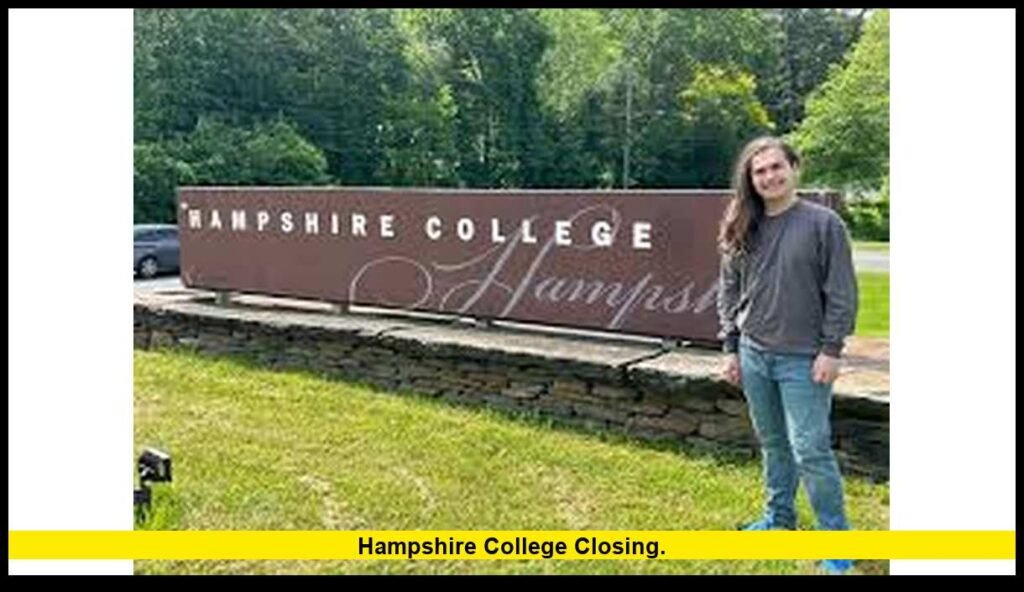
What Prospective Students Should Know
For students considering Hampshire College, clarity is essential.
Key Facts
- The college is open and accepting applications
- Programs remain active and distinctive
- Financial and operational systems are stable
- Degrees awarded remain fully valid and recognized
Prospective students should rely on current updates rather than outdated narratives.
Future Outlook: Stability with Ongoing Challenges
While Hampshire College is no longer facing immediate closure threats, challenges remain.
Areas to Watch
- Continued enrollment growth
- Long-term financial sustainability
- Adaptation to evolving higher education trends
Current indicators suggest a stable path forward.
Debunking Common Myths
Myth 1: Hampshire College Has Closed
False. The college remains open and operational.
Myth 2: It Stopped Accepting Students Permanently
False. Admissions resumed and continue normally.
Myth 3: Degrees Are No Longer Valid
False. Academic programs remain accredited and active.
Myth 4: Campus Operations Have Shut Down
False. Students, faculty, and staff are actively engaged on campus.
Why Accuracy Matters in Higher Education Reporting
Misinformation about college closures can have real consequences.
It can:
- Discourage prospective students
- Harm institutional reputation
- Create unnecessary anxiety among current students
- Mislead families making financial decisions
Accurate reporting is essential when outdated narratives continue to circulate online.
Final Takeaway
The phrase “hampshire college closing” does not reflect the current reality.
Hampshire College faced a serious crisis in the past, but it did not close. Instead, it adapted, restructured, and continues to operate in 2026 with a renewed sense of direction.
Understanding the difference between past challenges and present status is key to making informed decisions about higher education.
What do you think about Hampshire College’s recovery story—does it change your perspective on small liberal arts colleges? Share your thoughts below.