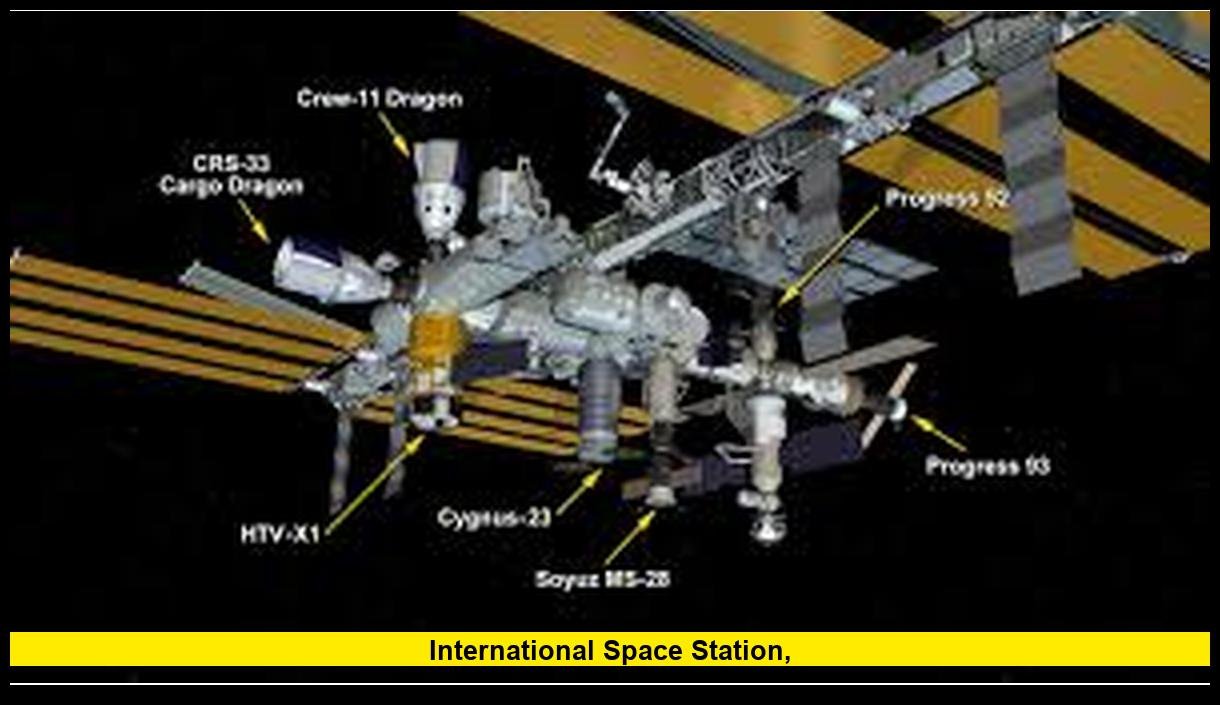
The International Space Station remains fully operational as of June 5, 2026, despite a recent air leak incident that briefly prompted NASA to place several astronauts on evacuation alert. The crew safely returned to normal operations after precautionary procedures, while NASA and Russia’s Roscosmos continue working on repairs and long-term solutions for the aging orbital laboratory.
International Space Station Remains Operational After June 2026 Air Leak Alert
The biggest ISS story today involves a recurring air leak inside the Russian segment of the station.
On June 5, NASA instructed five astronauts to shelter inside a docked SpaceX Dragon spacecraft while Russian specialists attempted repairs on newly detected leaks in the Zvezda service module transfer tunnel. The precaution lasted about two hours before NASA cleared the crew to return to normal station activities. Officials reported no immediate danger to astronauts or onboard systems.
Engineers identified two leak locations during pressure testing. Russian teams sealed one area and continued evaluating the second location before pausing repair work for additional analysis. NASA emphasized that the shelter order was issued out of caution rather than because of an imminent emergency.
The incident highlights a challenge that has persisted for several years. Small cracks and pressure leaks have periodically appeared in portions of the Russian segment, leading to repeated inspections and repair campaigns. NASA and Roscosmos continue to monitor the situation closely.
Who Is Currently Aboard the ISS?
Seven crew members are currently living and working aboard the station.
Crew-12 Members
| Astronaut | Country | Role |
|---|---|---|
| Jessica Meir | United States | Commander |
| Jack Hathaway | United States | Pilot |
| Sophie Adenot | France | Mission Specialist |
| Andrey Fedyaev | Russia | Mission Specialist |
Expedition 74 Members
| Astronaut | Country | Role |
|---|---|---|
| Chris Williams | United States | Flight Engineer |
| Sergey Kud-Sverchkov | Russia | Commander |
| Sergei Mikayev | Russia | Flight Engineer |
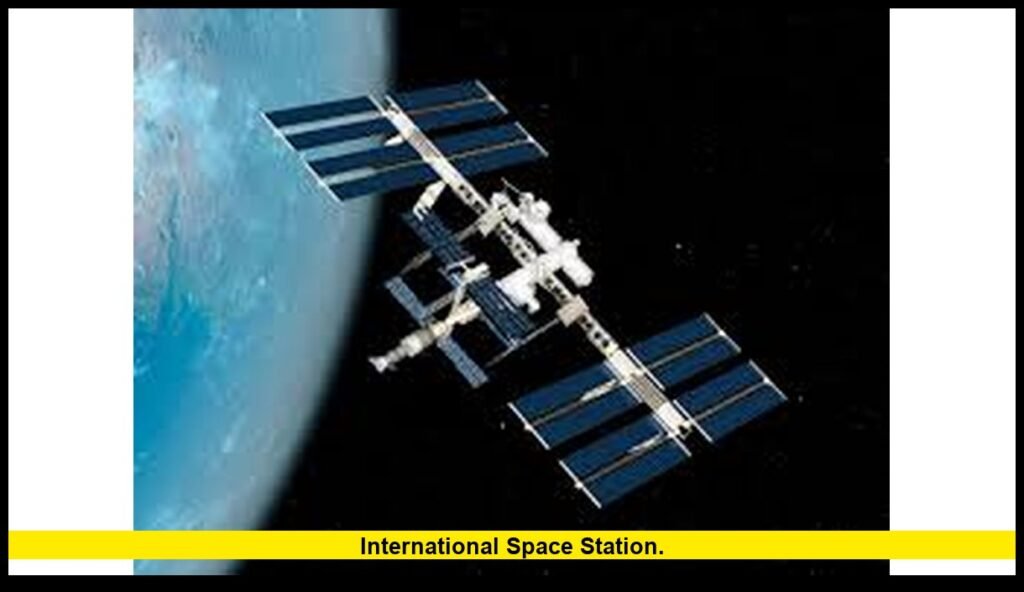
These astronauts continue conducting science experiments, technology demonstrations, maintenance operations, and Earth observation projects while orbiting roughly 250 miles above Earth.
What Caused the Recent Air Leak Concern?
The latest issue originated inside the transfer tunnel of the Russian Zvezda module.
This area has experienced crack-related pressure problems since 2019. Although previous repairs reduced leakage rates, engineers detected fresh pressure loss during recent testing. The June 2026 repair effort uncovered additional leak sites, triggering NASA’s temporary safety procedures.
Experts have long considered the problem one of the most significant maintenance challenges facing the station. NASA inspectors previously classified the ongoing leak issue among the station’s top safety concerns, though agency officials have consistently stated that astronauts remain safe while mitigation measures remain effective.
Current leak rates remain relatively small compared with the total volume of the station. Nevertheless, the issue receives extensive monitoring because of the station’s age and the importance of maintaining a stable atmosphere for crew operations.
Science Research Continues Despite Technical Challenges
The International Space Station serves as the world’s leading microgravity research laboratory.
Astronauts aboard the station conduct hundreds of experiments every year. Their work supports future lunar exploration, Mars missions, medical research, and technology development.
Major research areas currently include:
- Human health in space
- Stem cell studies
- Materials science
- Earth observation
- Space agriculture
- Robotics
- Advanced manufacturing
- Space medicine
NASA recently highlighted successful ISS investigations involving stem-cell growth, disease research, and studies designed to improve health outcomes both in space and on Earth.
The station also remains an important testing ground for technologies expected to support Artemis lunar missions and eventual crewed missions to Mars.
International Cooperation Remains a Core Strength
One of the most remarkable aspects of the ISS program is the continued cooperation among international partners.
The station brings together:
- United States
- Russia
- Europe
- Japan
- Canada
Even during periods of geopolitical tension on Earth, space agencies have continued coordinating station operations, crew rotations, scientific research, and maintenance activities. The response to the June 2026 leak incident demonstrated that cooperation remains active and effective. NASA and Roscosmos worked together throughout the event and jointly assessed repair options.
A Quarter Century of Continuous Human Presence
The ISS recently passed another major milestone in human spaceflight history.
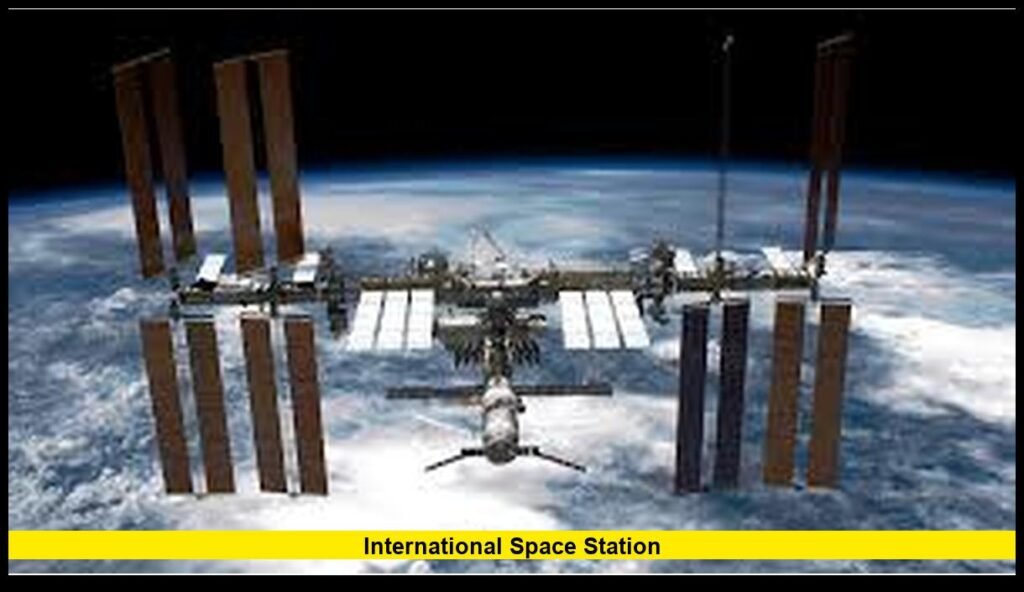
Humans have continuously occupied the station for more than 25 years, making it one of the longest-running international scientific projects ever undertaken. The station has hosted astronauts and cosmonauts from numerous countries and has supported thousands of scientific investigations.
Since its first crew arrived in 2000, the station has:
- Completed hundreds of thousands of orbits
- Traveled billions of miles
- Supported more than 3,000 scientific investigations
- Hosted astronauts from over 20 countries
- Advanced understanding of long-duration spaceflight
Its contributions continue shaping future exploration missions throughout the solar system.
SpaceX Continues to Play a Critical Role
SpaceX remains NASA’s primary transportation provider for crew rotations.
The current Crew-12 mission arrived at the station in early 2026 and restored the ISS population to seven astronauts. The Crew Dragon spacecraft attached to the station also serves as an emergency return vehicle whenever astronauts are aboard.
That capability became especially important during the June 2026 leak event, when astronauts temporarily sheltered inside Dragon while engineers assessed the situation. The spacecraft provides a rapid evacuation option if conditions ever require departure from the station.
NASA’s Commercial Crew Program continues to rely heavily on Dragon missions to maintain continuous human presence aboard the orbital laboratory.
Future of the ISS Beyond 2030
Discussion continues regarding how long the station should remain in service.
Current plans call for ISS operations through at least 2030. Some policymakers have proposed extending operations into the early 2030s while commercial space station projects mature. Several private companies are developing next-generation orbital destinations that could eventually replace many functions currently performed aboard the ISS.
NASA’s long-term strategy involves transitioning from government-owned stations toward commercially operated platforms while maintaining a continuous human presence in low-Earth orbit.
When the ISS eventually reaches retirement, NASA plans a controlled deorbit operation that will guide the station safely into a remote area of the Pacific Ocean. Planning for that future mission is already underway.
Why the ISS Still Matters in 2026
Despite its age, the International Space Station remains one of humanity’s most valuable scientific assets.
The station provides an environment impossible to replicate on Earth. Researchers use microgravity conditions to study biological systems, advanced materials, and technologies needed for deep-space exploration.
Key Benefits of the ISS
- Medical discoveries
- Improved understanding of long-duration spaceflight
- Technology validation
- International scientific cooperation
- Preparation for Moon and Mars missions
- Educational outreach worldwide
The recent air leak incident demonstrates both the challenges and resilience of operating a complex laboratory in space. While engineers continue addressing aging infrastructure, the station remains productive, fully staffed, and scientifically active.
Latest Status of the International Space Station
| Category | Status |
|---|---|
| Crew Safety | Safe |
| Number of Crew Members | 7 |
| Station Operations | Normal |
| Air Leak Repairs | Ongoing Evaluation |
| Science Research | Continuing |
| SpaceX Dragon Availability | Docked and Operational |
| ISS Operational Status | Fully Active |
NASA and Roscosmos continue monitoring the leak situation while astronauts proceed with their scheduled scientific work and daily operations. The station remains one of the most important outposts ever built beyond Earth.