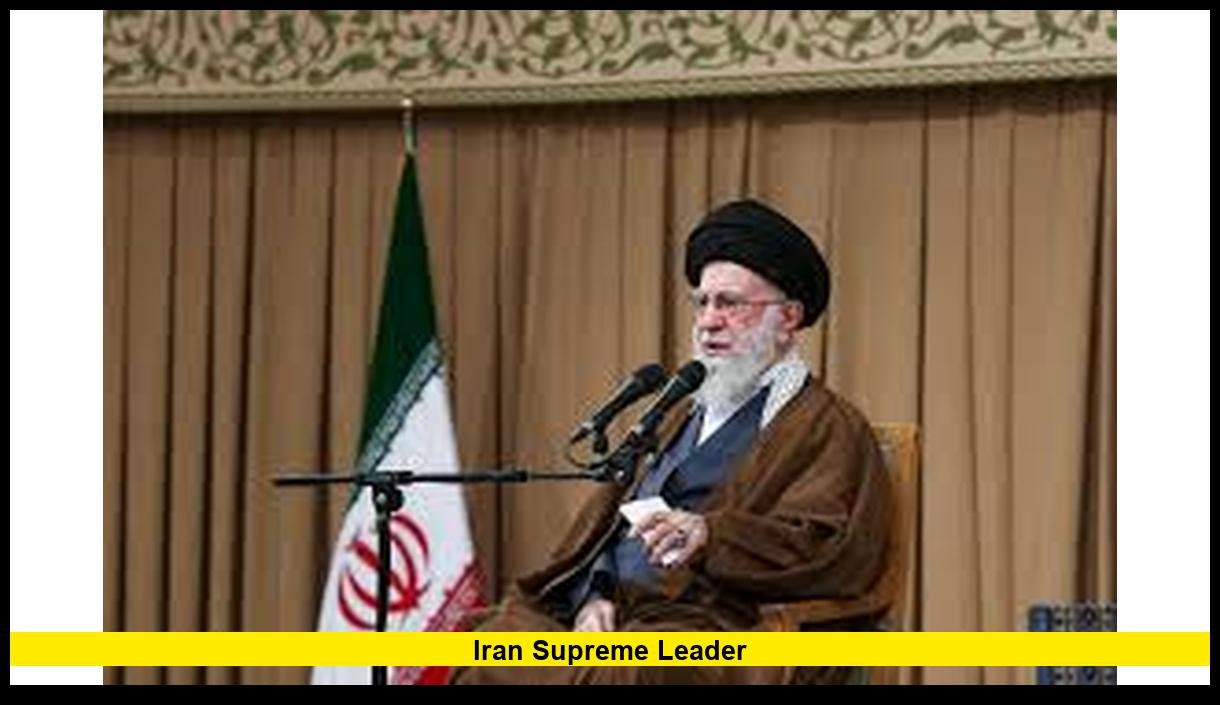
The iran supreme leader remains one of the most powerful figures in global politics in 2026, continuing to shape Iran’s domestic direction and its complex relationship with the United States and the broader international community. As of today, Ayatollah Ali Khamenei still holds the position, maintaining firm control over key institutions, including the military, judiciary, and major state policies.
This article provides a comprehensive, fact-based look at the role, authority, and current status of Iran’s Supreme Leader, with a clear focus on developments relevant to U.S. readers.
Who Is the Iran Supreme Leader?
The Supreme Leader of Iran is the highest-ranking political and religious authority in the country. Unlike presidents or prime ministers in many nations, this position carries ultimate control over both governance and ideological direction.
Ayatollah Ali Khamenei has served as Iran’s Supreme Leader since 1989, following the death of Ayatollah Ruhollah Khomeini, the founder of the Islamic Republic.
Core Responsibilities
The Supreme Leader oversees:
- National defense and armed forces
- Foreign policy direction
- Judiciary leadership
- State broadcasting
- Appointment of key officials
- Oversight of elections through influence on vetting bodies
This structure places the Supreme Leader above elected officials, including the president.
Current Status of the Iran Supreme Leader in 2026
As of 2026, Ayatollah Khamenei continues to lead Iran with no official transition announced. Despite ongoing speculation over succession due to his age, there has been no confirmed change in leadership.
Key Confirmed Facts (2026)
- Khamenei remains actively engaged in policy decisions
- He continues to deliver public speeches on domestic and foreign issues
- Iran’s political system remains structured around his authority
- No official successor has been publicly confirmed
The stability of his leadership plays a central role in Iran’s policy continuity.
How the Iran Supreme Leader Shapes U.S.–Iran Relations
For American readers, understanding the Supreme Leader’s influence is critical. The United States and Iran have had strained relations for decades, and the Supreme Leader is the final authority on major decisions involving:
- Nuclear policy
- Sanctions responses
- Military posture
- Diplomatic engagement
Nuclear Policy Influence
The Supreme Leader sets the framework for Iran’s nuclear strategy. While negotiations may involve diplomats and elected officials, the final approval always comes from this office.
Sanctions and Economic Response
U.S. sanctions continue to impact Iran’s economy. The Supreme Leader plays a key role in determining how the country responds, including:
- Economic resilience strategies
- Trade partnerships
- Domestic production initiatives
Political Structure: Why the Supreme Leader Holds Ultimate Power
Iran operates under a unique system that blends elements of democracy with religious oversight.
Dual Governance Model
| Component | Role |
|---|---|
| President | Elected executive leader |
| Parliament | Legislative body |
| Supreme Leader | Final authority over all branches |
Even though Iranians vote in elections, candidates are vetted by bodies aligned with the Supreme Leader, ensuring ideological consistency.
Military Authority and Strategic Control
One of the most critical aspects of the Supreme Leader’s power is control over Iran’s military forces.
Forces Under Direct Control
- Islamic Revolutionary Guard Corps (IRGC)
- Regular armed forces
- Intelligence services
This centralized control allows the Supreme Leader to shape regional strategies and defense policies directly.
Regional Influence
Iran maintains influence in several parts of the Middle East. The Supreme Leader’s decisions affect:
- Security dynamics in the Persian Gulf
- Relationships with neighboring countries
- Broader geopolitical tensions involving the U.S.
Domestic Policy and Social Direction
Inside Iran, the Supreme Leader influences both political and cultural life.
Key Areas of Influence
- Media regulations
- Religious guidance
- Education frameworks
- Social policies
These decisions shape daily life for millions of Iranians.
Public Messaging
The Supreme Leader frequently communicates through speeches that address:
- Economic challenges
- National unity
- International tensions
These messages often signal shifts in policy or reinforce existing positions.
Economic Impact and Decision-Making
Iran’s economy faces ongoing pressure from sanctions and global market conditions. The Supreme Leader plays a strategic role in guiding economic policy.
Economic Priorities
- Reducing reliance on foreign imports
- Strengthening domestic industries
- Expanding trade with non-Western partners
These strategies aim to maintain economic stability despite external pressures.
Succession: A Major Question in 2026
One of the most closely watched topics is the future of the Supreme Leader position.
What We Know
- No official successor has been publicly confirmed
- The Assembly of Experts is responsible for selecting the next leader
- The process remains confidential and highly controlled
Why It Matters
A leadership transition could significantly impact:
- U.S.–Iran relations
- Regional stability
- Iran’s internal political dynamics
However, as of now, there has been no confirmed change.
Global Influence of the Iran Supreme Leader
The Supreme Leader’s decisions extend far beyond Iran’s borders.
Key Global Impacts
- Energy markets, particularly oil supply
- Regional security in the Middle East
- International diplomatic negotiations
For the United States, these factors directly influence foreign policy and economic considerations.
Public Perception and Internal Dynamics
Public opinion within Iran is complex and varies widely.
Factors Influencing Perception
- Economic conditions
- Political freedoms
- Social policies
While some citizens support the system, others express concerns about governance and economic challenges.
Media, Messaging, and Information Control
The Supreme Leader also influences how information is shared within Iran.
Key Elements
- State-controlled media outlets
- Regulation of digital platforms
- Strategic communication during crises
This control helps shape national narratives and public understanding of events.
Comparison to Other Global Leaders
For U.S. readers, understanding how this role compares internationally helps explain why Iran’s political system operates so differently from Western democracies.
Key Differences
- No term limits and long-term rule
Unlike U.S. presidents, who serve fixed terms, the Supreme Leader holds power without a set time limit. This allows for long-term policy direction and continuity, with leadership lasting for decades rather than years. - Combination of religious and political authority
The role blends political leadership with religious authority, meaning decisions are influenced by both governance priorities and religious principles. This structure is distinct from secular systems like that of the United States. - Highly centralized decision-making power
The Supreme Leader has final authority over major national matters, including foreign policy, defense, and the judiciary. Elected officials operate within a framework shaped by this leadership. - Oversight of elected institutions
Although Iran has elections for president and parliament, the overall system remains closely supervised. Leadership influences which candidates can run and ensures policies align with broader state ideology. - Direct control over military and security forces
The Supreme Leader serves as commander-in-chief, maintaining direct control over key military and security organizations. This level of authority strengthens centralized power and national coordination.
This combination of long-term leadership, religious influence, and centralized authority makes the role unique in modern global governance and significantly different from leadership models in the United States and other democratic nations.
Why the Iran Supreme Leader Matters to Americans
Even though the position exists in another country, its impact reaches the United States in several ways:
Direct Impacts
- National security considerations
- Energy prices
- Diplomatic relations
Indirect Impacts
- Global economic stability
- Regional conflicts
- International alliances
Understanding this role helps Americans better interpret global news and policy decisions.
Challenges Facing the Iran Supreme Leader in 2026
Several ongoing challenges are shaping the leadership environment in 2026, with pressure increasing across economic, regional, and domestic fronts.
Key Issues
- Economic pressure from sanctions
Iran’s economy continues to face serious strain from long-standing sanctions, limiting oil revenue and access to global financial systems. Inflation remains high, the national currency has weakened, and many citizens are dealing with rising living costs. These conditions have made economic stability one of the most urgent priorities for leadership. - Regional tensions and security risks
Tensions across the Middle East remain elevated, with Iran involved in a complex network of regional rivalries and security concerns. Military posture, strategic deterrence, and ongoing geopolitical friction continue to demand careful management to avoid broader escalation while maintaining influence. - Domestic expectations for reform
Public frustration has grown due to economic hardship and social pressures. Many citizens are calling for improvements in living standards, job opportunities, and governance. At the same time, leadership must balance these demands with maintaining political control and stability.
Balancing these overlapping challenges remains a central task for the Supreme Leader, as each decision directly impacts Iran’s internal stability, regional strategy, and long-term direction.
Looking Ahead: What to Watch
While no immediate leadership change has been confirmed, several developments remain important:
- Potential shifts in U.S.–Iran negotiations
- Economic policy adjustments
- Regional security developments
These factors will continue to define the role and influence of the Supreme Leader.
Conclusion
The iran supreme leader continues to play a decisive role in shaping not only Iran’s future but also broader global dynamics in 2026. With authority spanning military, political, and ideological domains, the position remains one of the most powerful in the world.
For U.S. audiences, understanding this role provides valuable insight into international relations, economic trends, and geopolitical developments that directly affect everyday life.
What are your thoughts on how global leadership roles like this shape international stability? Share your perspective and stay engaged with the latest updates.