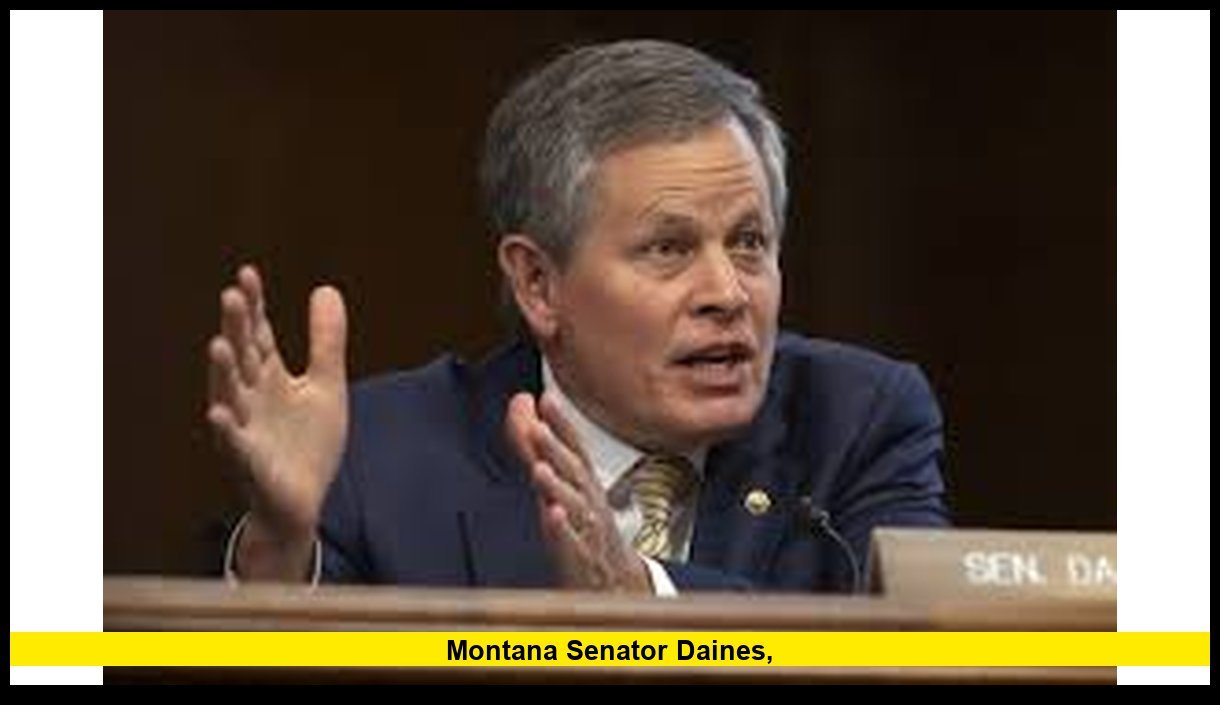
Montana senator Daines made national headlines after announcing he will not seek reelection in 2026, a decision that immediately reshaped the upcoming U.S. Senate race and triggered strong reactions across Montana and Washington.
The Republican lawmaker, who has represented Montana in the U.S. Senate since 2015, confirmed he will step aside rather than run for a third term. His announcement came just before the candidate filing deadline for the 2026 election cycle, creating an unexpected open-seat race in a state that has become increasingly important in national politics.
Daines also endorsed former U.S. Attorney Kurt Alme as a potential successor, a move that quickly influenced the Republican primary landscape and sparked discussion among political observers about the timing of the announcement.
Below is a detailed look at Steve Daines’ political career, the circumstances behind his decision, and what it means for Montana and the broader U.S. Senate landscape.
Who Is Steve Daines?
Steve Daines is a Republican politician and business executive who has served as Montana’s senior United States senator since January 3, 2015.
Before joining the Senate, Daines represented Montana’s at-large congressional district in the U.S. House of Representatives from 2013 to 2015.
Key facts about Steve Daines:
| Detail | Information |
|---|---|
| Full Name | Steven David Daines |
| Born | August 20, 1962 |
| Party | Republican |
| Senate Service | 2015–present |
| Previous Role | U.S. House Representative (2013–2015) |
| Business Background | Private-sector executive |
Daines became the first Republican elected to Montana’s Class II Senate seat in more than a century when he first won the office.
His political career has focused heavily on economic growth, energy development, and rural issues affecting Montana communities.
Why Montana Senator Daines Is Not Seeking Reelection
The most significant recent development involving Daines came when he abruptly withdrew from the 2026 Senate race.
His announcement arrived just before the filing deadline for the Montana Senate election, surprising many political observers.
The move created immediate ripple effects across the state’s political landscape.
Major outcomes included:
- The race became an open-seat contest.
- Republican candidate Kurt Alme entered the race and quickly gained attention.
- Political analysts began reassessing the competitiveness of the Montana Senate election.
Daines explained that stepping aside would allow a new generation of leadership to emerge while he spends more time with his family in Montana.
The sudden timing sparked criticism from some political figures who argued the decision limited competition in the Republican primary.
Still, the senator framed the decision as part of a broader leadership transition after more than a decade in Congress.
Impact on the 2026 Montana Senate Election
The 2026 United States Senate election in Montana is scheduled for November 2026, with party primaries expected earlier in the year.
Daines’ departure immediately transformed the race.
Major candidates currently associated with the election
Republican field
- Kurt Alme — Former U.S. Attorney for the District of Montana
- Lee Calhoun
- Charles WalkingChild
Democratic field
- Alani Bankhead — Air Force lieutenant colonel
- Michael Black Wolf — Tribal historic preservation officer
- Reilly Neill — Former Montana state representative
Independent candidate
- Seth Bodnar — Former president of the University of Montana
Without an incumbent on the ballot, the race may attract increased national attention as both parties compete for control of the Senate.
Montana has leaned Republican in federal elections in recent years, but open-seat races often become more competitive.
Steve Daines’ Role in National Republican Politics
Daines has held significant influence within the Republican Party, particularly in Senate campaign strategy.
From 2023 through 2025, he chaired the National Republican Senatorial Committee. In that role, he helped guide the party’s strategy for winning Senate races nationwide.
During his leadership period:
- Republicans gained several Senate seats.
- Campaign fundraising increased for GOP candidates.
- The party strengthened its Senate presence following the 2024 election cycle.
Daines became widely known for recruiting candidates and coordinating campaign resources during those election cycles.
His leadership role made him one of the most influential Republican senators outside the party’s formal leadership team.
Committee Assignments and Policy Focus
During his Senate career, Daines has served on several influential committees.
His assignments have included:
- Senate Finance Committee
- Senate Foreign Relations Committee
- Senate Energy and Natural Resources Committee
- Senate Indian Affairs Committee
These committees allowed him to influence legislation related to taxes, international relations, natural resources, and issues affecting tribal communities.
Key policy priorities
Throughout his Senate career, Daines has focused on several major policy areas:
- Economic growth and tax policy
- Energy development and public lands
- Trade and international commerce
- Agriculture and rural infrastructure
- Tribal relations and Indian affairs
Work on the Senate Finance Committee has involved tax legislation, trade policies, and healthcare-related economic issues.
These policy areas hold particular importance in Montana, where agriculture, energy production, and small businesses play a major role in the state economy.
Montana Roots and Business Career
Before entering politics, Daines spent many years in the private sector.
He built a career in business and technology companies before running for Congress. His business background became a major theme of his political campaigns.
Daines is also a fifth-generation Montanan, and his connection to the state has played a significant role in his political identity.
Key elements of his background include:
- Raised in Montana
- Extensive private-sector business experience
- Father of four
- Longtime supporter of outdoor recreation and public lands
Supporters often highlight his business experience as an important influence on his economic policy positions.
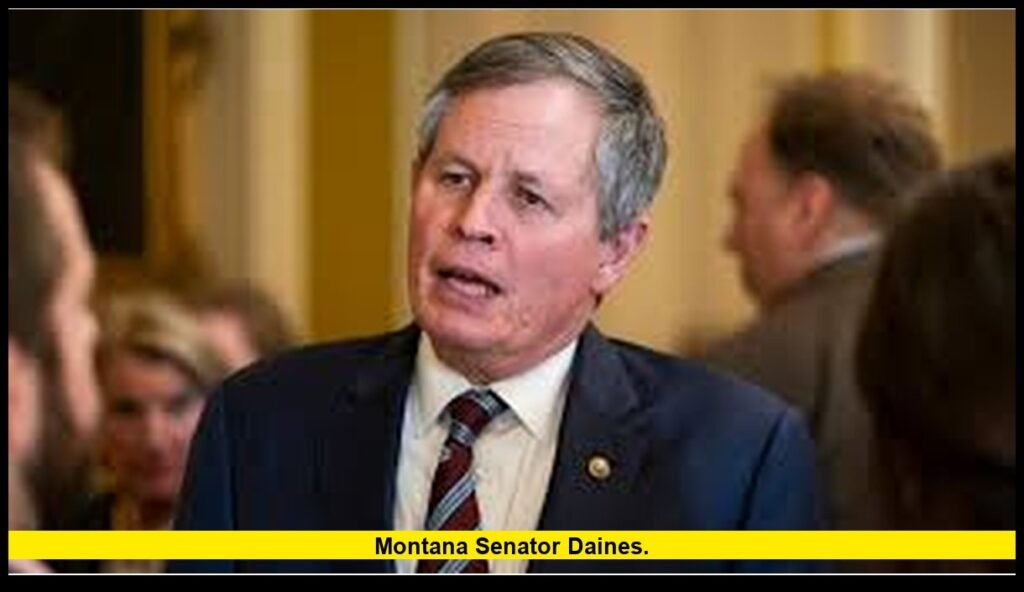
Major Legislative Issues During His Senate Tenure
During his years in the Senate, Daines supported legislation and initiatives on several major national issues.
Economy and tax policy
Daines has supported tax policies aimed at promoting business investment and job growth.
He has also advocated for measures designed to help small businesses compete globally.
Energy and natural resources
Energy development and land management are major concerns for Western states such as Montana.
Daines has promoted policies supporting:
- Responsible energy production
- Forest management reforms
- Wildfire prevention efforts
- Access to public lands
Agriculture
Agriculture remains one of Montana’s largest industries.
Daines has supported policies aimed at assisting farmers, ranchers, and rural communities.
Rural infrastructure
Rural communities face unique infrastructure challenges.
Daines has backed federal investments related to:
- Rural broadband expansion
- Transportation infrastructure
- Postal service access in rural areas
These issues often shape congressional debates involving Western states.
Foreign Policy and International Engagement
As a member of the Senate Foreign Relations Committee, Daines also participated in international diplomacy and trade discussions.
His work in this area has included:
- Meetings with international leaders
- Trade discussions with global partners
- Advocacy for American business interests overseas
In recent years he traveled to China during a business and economic forum where discussions focused on trade relations and economic cooperation.
These activities reflected his ongoing interest in international trade and its effects on American industries.
Reactions to His Decision to Step Aside
Daines’ announcement triggered strong reactions from political leaders and analysts.
Supporters praised his years of public service and his leadership in Republican Senate campaigns.
Many Republican leaders highlighted:
- His decade of congressional service
- His campaign leadership within the GOP
- His influence on national Senate races
At the same time, critics questioned the timing of the withdrawal from the race.
Some political figures argued that the late announcement limited the opportunity for other Republican candidates to enter the primary contest.
Despite the debate, the decision has already reshaped the political landscape in Montana ahead of the 2026 election.
What Comes Next for Steve Daines
Although he will not run again in 2026, Daines will continue serving in the Senate until his term ends in January 2027.
During that time he will remain active in congressional debates and legislative work.
Political observers believe several possible paths could follow his Senate career.
Potential future directions may include:
- Continued involvement in national Republican politics
- Work in the private sector or policy organizations
- Advisory roles in political campaigns
As of now, Daines has not publicly announced specific plans for his post-Senate career.
The Broader Impact on the U.S. Senate
Open Senate seats often attract significant national attention, especially in major election cycles.
Daines’ retirement adds another competitive race to the 2026 Senate map.
Such departures can influence several aspects of national politics, including:
- Party fundraising strategies
- Candidate recruitment efforts
- Calculations about control of the Senate
Although Montana has leaned Republican in recent federal elections, open-seat races sometimes produce unexpected outcomes.
For that reason, both political parties are watching the Montana race closely as the 2026 election cycle approaches.
Conclusion
Steve Daines has played an important role in Montana politics and national Republican strategy for more than a decade. His decision not to seek reelection marks a major turning point for Montana’s representation in the U.S. Senate and opens the door for new leadership in the state.
What do you think about Steve Daines stepping away from the Senate race? Share your thoughts in the comments and stay updated as the 2026 election approaches.