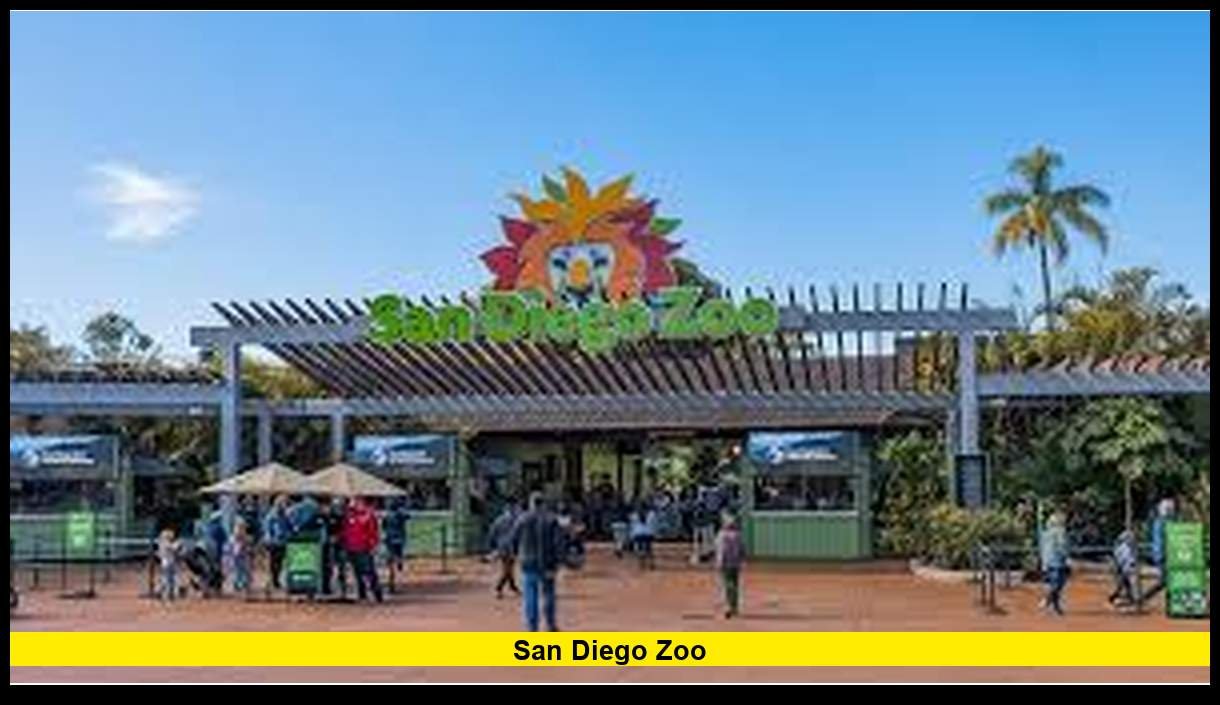
The San Diego Zoo remains one of the most visited and innovative wildlife parks in the United States, with 2026 bringing continued conservation milestones, upgraded visitor experiences, and expanded global impact.
Located in Balboa Park in San Diego, California, the zoo continues to operate as a leader in wildlife conservation, animal care, and immersive guest engagement. As of April 2026, it remains fully open to the public year-round, offering daily access, seasonal events, and ongoing habitat enhancements designed to improve both animal welfare and visitor interaction.
San Diego Zoo in 2026: What’s New and Current
The San Diego Zoo has entered 2026 with several confirmed developments that reinforce its reputation as a global leader in conservation and zoological innovation.
Key Verified Updates
- The zoo continues to house over 12,000 animals representing more than 650 species and subspecies
- Conservation programs remain active across multiple continents, including Africa, Asia, and Latin America
- Digital and interactive visitor tools have been further improved for easier navigation and education
- Expanded focus on climate resilience and endangered species breeding programs
- Continued integration with the San Diego Zoo Wildlife Alliance’s global conservation network
These updates reflect a strong emphasis on sustainability, science, and visitor education.
A Legacy of Conservation Leadership
The San Diego Zoo is not just a tourist destination—it is a cornerstone of wildlife conservation in the United States.
Global Conservation Impact
The zoo operates under the San Diego Zoo Wildlife Alliance, a nonprofit organization dedicated to saving species worldwide.
Major conservation efforts include:
- Breeding programs for critically endangered animals
- Habitat restoration projects
- Wildlife health and disease research
- Anti-poaching initiatives
- Reintroduction of species into the wild
The zoo’s work with species like the California condor remains one of the most successful conservation stories in U.S. history.
Science-Driven Approach
The institution maintains one of the largest wildlife genetics banks in the world, often referred to as the “Frozen Zoo.” This resource supports:
- Genetic diversity preservation
- Assisted reproduction technologies
- Long-term species survival strategies
This scientific backbone continues to shape conservation efforts in 2026.
Animal Exhibits and Habitats
The San Diego Zoo is known for its open-air, cageless exhibits that replicate natural environments.
Popular Animal Areas
Africa Rocks
- Features species such as African penguins, baboons, and leopards
- Designed to reflect diverse African ecosystems
Elephant Odyssey
- Showcases Asian elephants
- Includes educational exhibits about prehistoric California species
Lost Forest
- Home to primates, birds, and amphibians
- Includes lush, rainforest-style pathways
Northern Frontier
- Features polar bears, Arctic foxes, and reindeer
- Focuses on climate awareness
Panda Ridge (Educational Area)
While giant pandas are no longer housed at the zoo, the area continues to educate visitors about panda conservation and global partnerships.
Visitor Experience in 2026
The San Diego Zoo continues to modernize how guests explore the park.
Digital Enhancements
Visitors now benefit from:
- Mobile-friendly maps with real-time navigation
- Animal feeding and activity schedules
- Interactive educational content via QR codes
These features allow guests to plan their day efficiently and maximize their experience.
Getting Around the Zoo
The zoo offers multiple ways to explore:
- Guided bus tours
- Skyfari aerial tram
- Extensive walking paths
Each option provides unique views of the exhibits and surrounding landscapes.
Ticketing and Access
The San Diego Zoo operates year-round with structured ticketing options.
General Admission Includes
- Entry to all exhibits
- Guided bus tour
- Access to Skyfari (subject to availability)
2026 Pricing Overview (Typical Range)
- Adults: Approximately $70–$75
- Children: Approximately $60–$65
Discounts are often available for:
- Military personnel
- California residents
- Multi-day passes
Advance online booking remains the most efficient option for visitors.
Education and Family Engagement
Education remains a central focus of the San Diego Zoo experience.
Programs Available
- Wildlife presentations and live demonstrations
- Youth education programs and camps
- School partnerships and virtual learning
These programs help bridge the gap between entertainment and environmental awareness.
Family-Friendly Features
- Stroller-friendly pathways
- Kid-focused exhibits
- Interactive learning zones
Families continue to rank the zoo as one of the top destinations in Southern California.
Sustainability and Environmental Responsibility
The San Diego Zoo has strengthened its environmental commitments in 2026.
Key Sustainability Efforts
- Reduction of single-use plastics
- Water conservation systems
- Renewable energy integration
- Sustainable food sourcing within zoo facilities
These initiatives align with broader climate goals and reinforce the zoo’s mission.
Events and Seasonal Attractions
The zoo hosts events throughout the year, adding value for repeat visitors.
Popular Annual Events
- Nighttime Zoo (summer extended hours)
- Wildlife-themed holiday celebrations
- Seasonal food and beverage festivals
These events create a dynamic experience beyond standard daytime visits.
Role in Tourism and Local Economy
The San Diego Zoo remains a major driver of tourism in California.
Economic Impact
- Attracts millions of visitors annually
- Supports local businesses and hospitality sectors
- Creates jobs across conservation, education, and operations
Its location in Balboa Park further enhances its accessibility and appeal.
Animal Welfare Standards
Animal care at the San Diego Zoo is guided by strict welfare protocols that align with the highest industry standards in the United States. As of 2026, the zoo remains accredited by leading zoological organizations, requiring rigorous inspections, science-based care practices, and regular operational reviews to ensure full compliance.
Care practices now go beyond basic needs, focusing on both physical and psychological well-being. Animals receive daily enrichment tailored to their species, including problem-solving activities, environmental changes, and social interaction that encourage natural behaviors. Veterinary teams provide advanced medical care supported by detailed record systems that track health, diet, and behavior over time.
Habitats are continuously upgraded to mirror natural ecosystems, following the zoo’s long-standing approach to open-air, immersive environments. These designs improve animal comfort while allowing visitors to observe more natural movement and behavior.
The zoo also participates in coordinated breeding and population management programs that maintain genetic diversity and support endangered species survival. With evolving standards and ongoing scientific research, the San Diego Zoo continues to meet and exceed modern expectations for animal welfare, reinforcing its role as a global leader in ethical wildlife care.
Challenges and Future Outlook
Like all major conservation institutions, the San Diego Zoo faces ongoing challenges.
Current Challenges
- Climate change affecting species survival
- Habitat loss globally
- Funding for large-scale conservation projects
Future Focus
The zoo aims to:
- Expand global conservation partnerships
- Enhance digital learning tools
- Continue habitat innovation within exhibits
These goals ensure long-term relevance and impact.
Why the San Diego Zoo Remains a Top U.S. Destination
The San Diego Zoo continues to stand out as a top U.S. destination by combining world-class conservation with constant innovation and immersive guest experiences. In 2026, its impact goes beyond exhibits, with expanded global conservation programs and advanced research initiatives focused on protecting wildlife and ecosystems worldwide.
Recent developments have strengthened its appeal even further. Infrastructure upgrades and increased visitor demand have led to operational changes such as paid parking, while major habitat investments across its network highlight a continued commitment to creating more natural and engaging environments for animals.
With over 12,000 animals representing hundreds of species, the zoo blends education, sustainability, and entertainment at a global level. Visitors in 2026 can expect a more interactive, technology-enhanced experience while still enjoying the naturalistic design that has made the zoo one of the most respected wildlife destinations in the world.
Tips for Visiting in 2026
To make the most of a visit:
- Arrive early to avoid crowds
- Use the mobile app for navigation
- Plan around feeding times and presentations
- Wear comfortable walking shoes
- Stay hydrated, especially during warmer months
These tips help ensure a smooth and enjoyable experience.
Conclusion
The San Diego Zoo continues to evolve while staying true to its mission of conservation, education, and wildlife care. Its 2026 updates highlight a balance between innovation and responsibility, making it a must-visit destination for families, tourists, and wildlife enthusiasts alike.
What are your thoughts on the San Diego Zoo’s latest updates and conservation efforts? Share your experience or stay tuned for more updates.