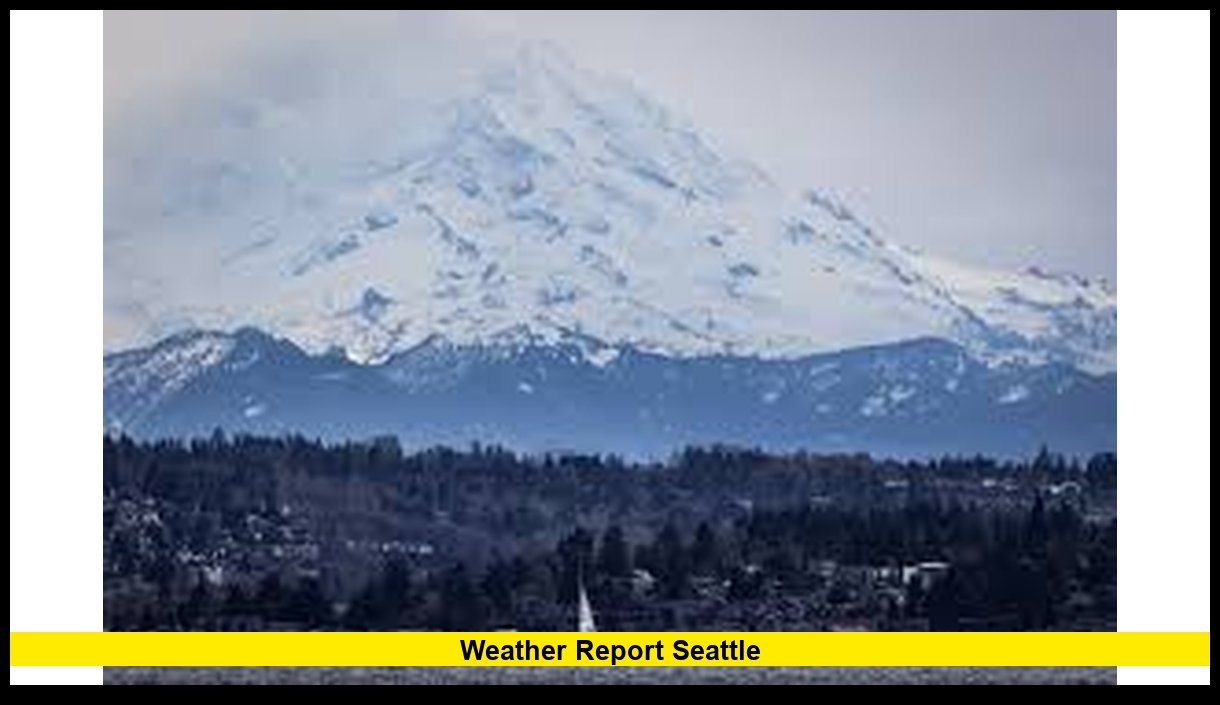
Weather report Seattle: Currently around 34°F with heavy snow, turning into a rain-snow mix later today with a high near 39°F. 🌨️
Weather report Seattle shows a cold and unsettled pattern across the city as of March 13, 2026, with rain, occasional snow flurries, and cloudy skies dominating the forecast. Early morning conditions in Seattle feature temperatures in the mid-30s Fahrenheit, high humidity, and steady precipitation moving through the region. Meteorological data indicates that a late-winter weather system continues to affect western Washington, bringing a mix of rain and snow to parts of the Seattle metropolitan area.
Seattle residents are experiencing weather conditions typical for mid-March in the Pacific Northwest. While temperatures remain just above freezing, brief snow showers have appeared in some neighborhoods before transitioning to rain as the day progresses. Forecast models show that wet weather will continue over the coming days, though temperatures are expected to gradually rise heading into the new week.
Current Conditions Across Seattle
Friday morning began with cold temperatures and overcast skies across Seattle and nearby communities. Weather monitoring stations across the region reported light precipitation during the early hours.
Current weather conditions include:
- Temperature: about 36°F
- Expected daytime high: around 40–42°F
- Overnight low: mid-30s
- Sky conditions: mostly cloudy
- Precipitation: rain with occasional snow flurries
- Wind: light winds around 3–6 mph
- Humidity: high humidity above 90%
Although snowflakes appeared briefly in some areas early in the day, ground temperatures remain slightly above freezing in most parts of Seattle. As a result, snow accumulation in the city itself is minimal. Elevated neighborhoods and areas outside the city may see slightly more winter precipitation.
Rain and Snow Moving Through Western Washington
Seattle’s current weather pattern is linked to a cold Pacific storm system moving across western Washington. The system pushed inland overnight, bringing a mixture of rain and snow to communities around Puget Sound.
In Seattle, precipitation has shifted between several forms:
- Light rain showers
- Wet snow flurries
- Rain-snow mix
- Overcast skies
These conditions are common during the transition from winter to spring in the Pacific Northwest. Temperatures often hover near freezing during March storms, which creates a mixture of precipitation rather than steady snowfall.
Weather patterns across the region can also change rapidly. Some neighborhoods may experience rain while others see snow showers at the same time due to local atmospheric conditions.
Seven-Day Forecast for Seattle
Weather models show that unsettled conditions will continue through the weekend. However, temperatures should gradually warm early next week.
| Date | Conditions | High | Low |
|---|---|---|---|
| March 13 | Rain and snow mix | 41°F | 35°F |
| March 14 | Mostly cloudy with light showers | 45°F | 34°F |
| March 15 | Overcast with scattered rain | 45°F | 33°F |
| March 16 | Cloudy with occasional drizzle | 49°F | 41°F |
| March 17 | Rain showers likely | 52°F | 44°F |
| March 18 | Mostly cloudy | 52°F | 43°F |
| March 19 | Light rain possible | 51°F | 42°F |
The forecast indicates that snow chances will decrease as temperatures slowly climb. Rain will remain the most common form of precipitation in the coming days.
Mountain Snowfall in the Cascades
While Seattle experiences mainly rain and mixed precipitation, the nearby Cascade Mountains are seeing heavier snowfall. Late-season storms continue to bring fresh powder to ski areas east of the city.
Higher elevations in Washington’s Cascades have received significant snowfall this week. Ski resorts and mountain communities are benefiting from these storms as the winter recreation season continues.
Snowfall in the mountains also plays a critical role in the region’s water supply. Snowpack that accumulates during winter gradually melts during spring and summer, feeding rivers and reservoirs across Washington state.
Why Seattle’s Weather Is So Unique
Seattle’s climate is shaped by several geographic features that influence temperature and precipitation.
Pacific Ocean Influence
Moist air masses from the Pacific Ocean frequently move inland, bringing cloud cover and rain to western Washington.
Olympic Mountains
These mountains block some incoming weather systems and create variations in rainfall across the region.
Cascade Range
The Cascades force moist air upward, producing heavy snow at high elevations while Seattle receives rain.
Puget Sound
The large body of water helps moderate temperatures, preventing extreme heat in summer and severe cold in winter.
Together, these factors create Seattle’s familiar climate pattern—cool temperatures, cloudy skies, and frequent rain.
Typical March Climate in Seattle
March marks a seasonal transition in Seattle as winter slowly gives way to spring. The city still experiences cool temperatures and regular rain during this period.
Typical weather patterns during March include:
- Average high temperatures in the low-to-mid 50s°F
- Average overnight lows in the upper 30s°F
- Frequent rain showers
- Occasional late-season snow
- Increasing daylight hours
Seattle gains several minutes of daylight each day during March. Longer daylight hours help temperatures gradually rise as spring approaches.
Effects on Transportation and Daily Life
Weather conditions like those seen today can affect several aspects of daily life in Seattle.
Commuting
Wet roads and occasional slushy conditions can slow traffic during the morning commute. Drivers remain cautious on bridges and elevated highways where temperatures may briefly drop below freezing overnight.
Outdoor Activities
Despite the rain, Seattle residents remain active outdoors. Running, hiking, and cycling are common year-round activities throughout the city.
Local Parks and Trails
City parks remain open during wet weather, although muddy trails are common during the rainy season.
Air Quality
Air quality across Seattle remains good. Rain helps reduce airborne particles, keeping pollution levels low.
Signs of Spring Ahead
Even though the latest weather report Seattle shows cold and wet conditions, signs of spring are beginning to appear across the region.
Meteorologists expect temperatures to gradually rise through the second half of March. The chances of snowfall in the city will continue decreasing as warmer air moves into western Washington.
Other seasonal changes include:
- Longer daylight hours
- Gradually warmer afternoons
- Continued rainfall typical of the Pacific Northwest
Seattle typically sees more sunshine during April and May as the region transitions fully into spring.
How Seattle Residents Adapt to Rainy Weather
Residents of Seattle are accustomed to frequent rain and changing conditions. Over time, locals have developed simple strategies to handle the region’s weather.
Common habits include:
- Wearing layered clothing
- Carrying waterproof jackets
- Using water-resistant footwear
- Planning outdoor activities around weather breaks
Many Seattle residents prefer lightweight rain jackets rather than umbrellas because wind and shifting weather can make umbrellas inconvenient.
Looking Ahead
The current weather pattern shows Seattle in a classic late-winter transition. Cold air, rain, and occasional snow remain possible for a few more days before temperatures slowly rise.
As March continues, the city will gradually shift toward milder spring weather. Rain will remain common, but longer daylight hours and warmer afternoons will become more noticeable across the region.
Seattle’s climate is known for quick changes, so residents often keep an eye on daily forecasts as Pacific storm systems move through western Washington.
Seattle’s weather can change quickly, so keep checking the latest updates and share in the comments what the weather looks like in your neighborhood today.